
Introduction
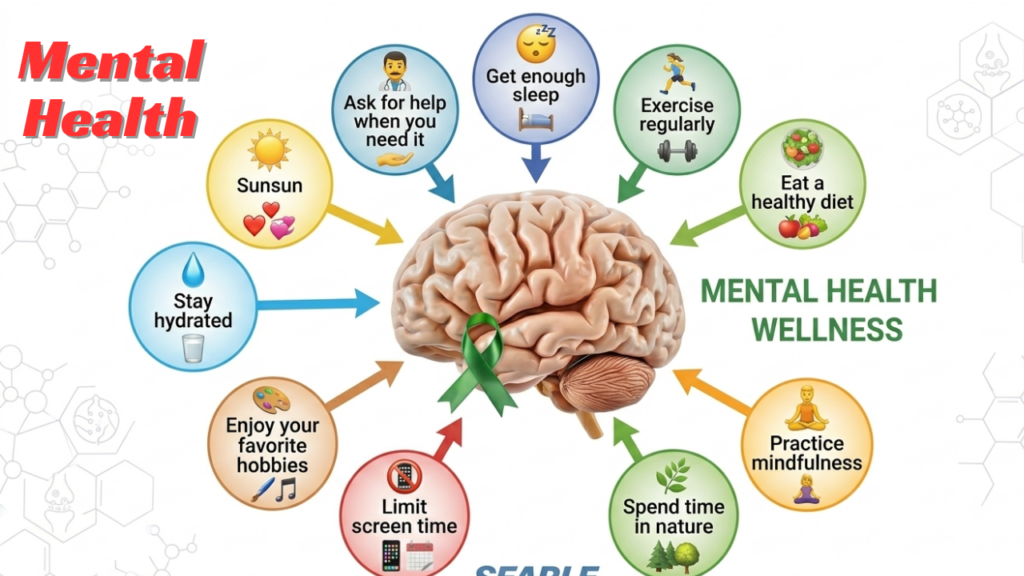
Mental health is just as important as physical health. It affects how we think, feel, and handle everyday situations. Good mental health helps us manage stress, build healthy relationships, and make better decisions. However, busy schedules, lack of sleep, poor eating habits, and daily stress can all affect our emotional well-being. The good news is that simple lifestyle changes can make a positive difference. In this article, you’ll discover 10 natural ways to improve your mental health and live a happier, healthier life.
1. Get Enough Sleep
Quality sleep is one of the most important factors for good mental health. While you sleep, your brain processes emotions, restores energy, and prepares for the next day. Poor sleep can increase stress, irritability, anxiety, and difficulty concentrating.
Tips:
- Sleep 7–9 hours every night.
- Avoid screens before bedtime.
- Maintain a regular sleep schedule.
2. Stay Physically Active

Regular exercise is one of the easiest ways to improve mental health naturally. Physical activity releases endorphins, also known as “feel-good” hormones, which can help improve mood and reduce stress.
Easy activities:
- Walking for 30 minutes
- Yoga
- Cycling
- Dancing
- Stretching exercises
Even light exercise can make you feel more energetic and positive.
3. Eat a Healthy and Balanced Diet

What you eat affects both your body and your mental health. A nutritious diet provides your brain with the vitamins and minerals it needs to function properly.
Include foods like:
- Fruits and vegetables
- Whole grains
- Nuts and seeds
- Fatty fish
- Eggs
- Plenty of water
Limiting sugary drinks and highly processed foods may also support better mood and energy.
4. Practice Mindfulness and Meditation
Mindfulness means paying attention to the present moment without judgment. It can help reduce stress, improve focus, and support better mental health.
You can start with:
- Deep breathing for five minutes
- Guided meditation
- Gratitude journaling
- Quiet reflection
Practicing mindfulness daily may help you feel calmer and more emotionally balanced.
5. Spend Time Outdoors
Nature has a calming effect on the mind. Spending time outside can help reduce stress, improve mood, and support overall mental health.
Simple ideas include:
- Walking in a park
- Gardening
- Sitting in the morning sunlight
- Spending time near trees or green spaces
Fresh air and natural light can make a noticeable difference.
6. Stay Connected with Family and Friends
Healthy relationships are important for good mental health. Talking with people you trust can help you feel supported during difficult times.
Try to:
- Call a friend regularly.
- Spend quality time with family.
- Join a community group or hobby club.
- Share your feelings openly.
Strong social connections can reduce feelings of loneliness and improve emotional well-being.
7. Manage Stress in Healthy Ways
Stress is a normal part of life, but long-term stress can negatively affect mental health. Learning healthy coping strategies can help you stay emotionally balanced.
Healthy stress management techniques include:
- Deep breathing
- Listening to music
- Reading books
- Exercising
- Writing in a journal
- Practicing hobbies you enjoy
8. Limit Screen Time and Social Media
Too much time on phones or social media can sometimes increase stress, affect sleep, and lower self-esteem. Reducing unnecessary screen time may help improve your mental health.
Helpful habits:
- Set daily screen-time limits.
- Avoid screens before bedtime.
- Take regular digital breaks.
- Spend more time on real-life activities.
9. Make Time for Activities You Enjoy
Doing things you love is an important part of maintaining good mental health. Hobbies help reduce stress and give your mind a chance to relax.
You might enjoy:
- Painting
- Cooking
- Reading
- Music
- Gardening
- Photography
- Playing with pets
Making time for enjoyable activities can improve your mood and overall well-being.
10. Ask for Help When You Need It
Everyone faces emotional challenges at times. If feelings of sadness, anxiety, or stress continue for several weeks or begin affecting your daily life, talking to a qualified mental health professional can help. Seeking support is a positive step toward improving your mental health, not a sign of weakness.
Conclusion
Taking care of your mental health doesn’t have to be complicated. Small daily habits like getting enough sleep, eating healthy foods, exercising, managing stress, and staying connected with loved ones can make a meaningful difference over time. Start with one or two healthy changes and build from there. Remember, caring for your mind is just as important as caring for your body.