
Intriduction
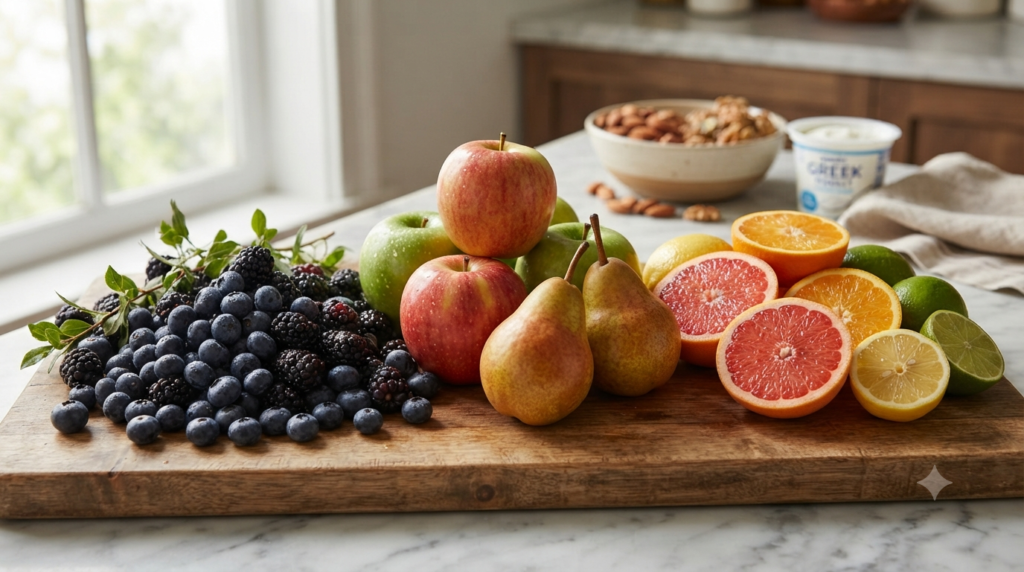
The good news is that some fruits are naturally lower in sugar than others, making them a smart choice for people with diabetes, insulin resistance, or anyone looking to maintain stable blood sugar levels. In this article, we’ll explore eight low-sugar fruits that can satisfy your sweet cravings while supporting healthy blood sugar.
What Makes a Fruit Support Healthy Blood Sugar?
Before diving into the list, it’s important to understand what makes certain fruits better for blood sugar management:
Fiber Content
Fiber slows digestion and the absorption of sugar into the bloodstream, helping prevent rapid blood sugar spikes.
Glycemic Index (GI)
The glycemic index measures how quickly a food raises blood sugar levels. Fruits with a lower GI generally have a gentler impact on blood sugar.
Glycemic Load (GL)
Glycemic load considers both the GI and the amount of carbohydrates in a serving, providing a more accurate picture of a food’s effect on blood sugar.
Nutrient Density
Fruits rich in vitamins, minerals, antioxidants, and water provide additional health benefits while supporting overall metabolic health.
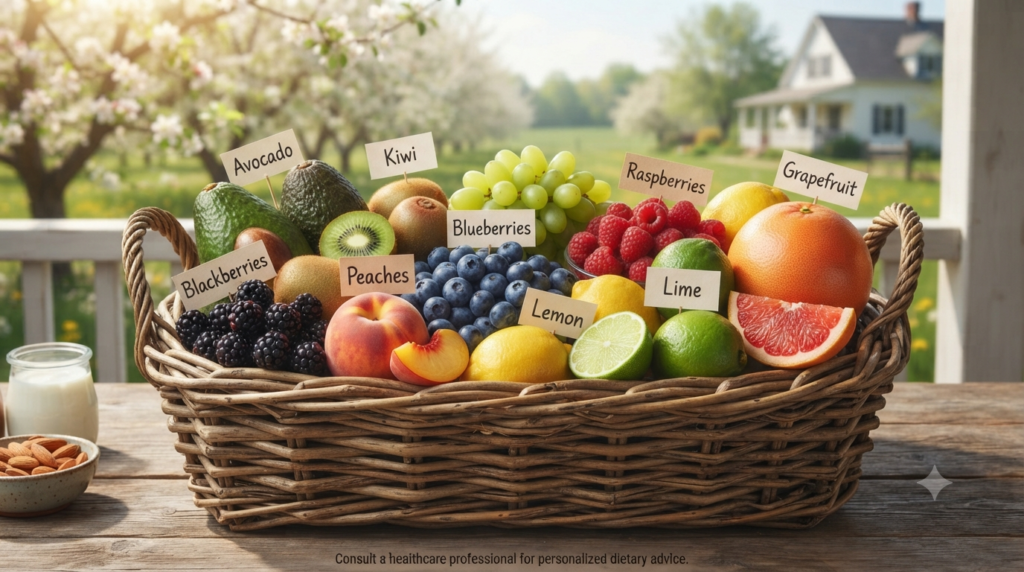
- Avocado
Why It Supports Healthy Blood Sugar
Although often thought of as a vegetable, avocado is technically a fruit. It contains very little sugar and is rich in healthy monounsaturated fats and fiber.
Key Benefits
Contains less than 1 gram of sugar per serving.
High fiber content slows digestion.
Healthy fats may improve insulin sensitivity.
Helps keep you full longer, reducing cravings.
How to Enjoy It
Add slices to salads.
Spread on whole-grain toast.
Blend into smoothies.
- Strawberries
Why They Support Healthy Blood Sugar
Strawberries offer natural sweetness without excessive sugar. Their high fiber and antioxidant content help support steady blood sugar levels.
Key Benefits
Approximately 7 grams of sugar per cup.
Rich in vitamin C and antioxidants.
May help reduce inflammation.
Supports heart health.
How to Enjoy Them
Eat fresh as a snack.
Add to yogurt.
Mix into oatmeal.
- Raspberries
Why They Support Healthy Blood Sugar
Raspberries are among the highest-fiber fruits available, making them an excellent option for blood sugar management.
Key Benefits
Low sugar content.
High fiber helps slow sugar absorption.
Rich in antioxidants that support overall health.
How to Enjoy Them
Add to smoothies.
Sprinkle over breakfast cereals.
Eat fresh with nuts.
- Blackberries
Why They Support Healthy Blood Sugar
Blackberries combine low sugar levels with impressive fiber content, helping maintain stable glucose levels.
Key Benefits
Around 7 grams of sugar per cup.
Excellent source of vitamin C.
High antioxidant content.
Supports digestive health.
How to Enjoy Them
Add to fruit salads.
Blend into smoothies.
Enjoy as a healthy dessert.
- Kiwi
Why It Supports Healthy Blood Sugar
Kiwi offers a balance of natural sweetness, fiber, and important nutrients without causing dramatic blood sugar spikes.
Key Benefits
Rich in vitamin C.
Contains fiber that aids digestion.
Supports immune function.
Moderately low sugar content.
How to Enjoy It
Eat fresh.
Add to fruit bowls.
Use in smoothies.
- Grapefruit
Why It Supports Healthy Blood Sugar
Grapefruit has a low glycemic index and contains compounds that may help improve insulin sensitivity.
Key Benefits
Low in calories and sugar.
Rich in vitamin C.
High water content promotes hydration.
May support weight management.
How to Enjoy It
Eat fresh at breakfast.
Add to salads.
Combine with other citrus fruits.
Note: People taking certain medications should consult a healthcare professional before consuming grapefruit regularly.
- Peaches
Why They Support Healthy Blood Sugar
Peaches provide natural sweetness while remaining relatively low in sugar compared to many other fruits.
Key Benefits
Good source of vitamins A and C.
Contains dietary fiber.
Supports skin and immune health.
Refreshing and hydrating.
How to Enjoy Them
Eat fresh.
Add to smoothies.
Grill for a healthy dessert.
- Lemons and Limes
Why They Support Healthy Blood Sugar
These citrus fruits contain very little sugar and can enhance flavor without adding significant carbohydrates.
Key Benefits
Extremely low sugar content.
Rich in vitamin C.
May help slow digestion when added to meals.
Supports hydration.
How to Enjoy Them
Add to water.
Use in salad dressings.
Squeeze over vegetables or fish.
Tips for Eating Fruit While Managing Blood Sugar
Pair Fruit with Protein or Healthy Fat
Combining fruit with foods like nuts, seeds, yogurt, or nut butter can help slow sugar absorption.
Choose Whole Fruit Over Juice
Whole fruits contain fiber, while fruit juices often remove fiber and concentrate sugar.
Watch Portion Sizes
Even healthy fruits can contribute to blood sugar increases when eaten in excessive amounts.
Spread Fruit Intake Throughout the Day
Eating smaller servings rather than large amounts at once can help maintain steadier blood sugar levels.
Conclusion
Fruit can absolutely be part of a healthy, blood-sugar-friendly diet. Choosing low-sugar options such as avocados, berries, kiwi, grapefruit, peaches, and citrus fruits allows you to enjoy the nutritional benefits of fruit while supporting healthy blood sugar levels. Combined with balanced meals, portion awareness, and an overall healthy lifestyle, these fruits can be a delicious and nutritious addition to your daily routine.
Key Takeaway: The best fruits for healthy blood sugar are those that combine lower sugar content with fiber, nutrients, and antioxidants, helping your body process natural sugars more gradually and effectively.