
Introduction
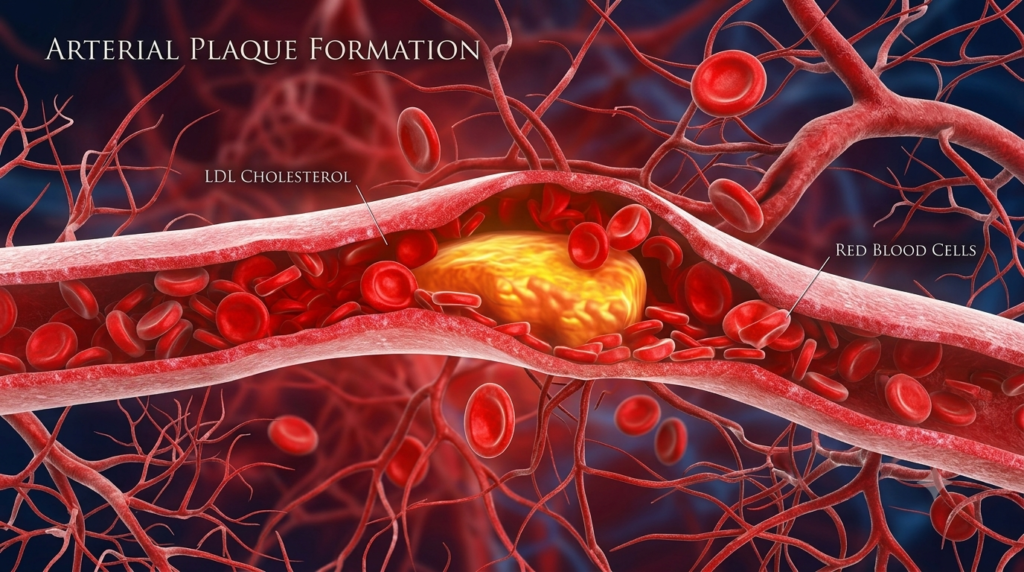
Cholesterol levels are important for keeping your heart and blood vessels healthy. Cholesterol is a fatty substance your body needs to build cells and make hormones. But when cholesterol levels become too high, cholesterol can build up in your arteries and reduce blood flow.
High cholesterol levels usually don’t cause any symptoms, so many people don’t know they have it until a blood test reveals it. The good news is that healthy eating, regular exercise, and other simple lifestyle changes can help keep your cholesterol levels in a healthy range and lower your risk of heart disease.
What Are High Cholesterol Levels?
Cholesterol levels refer to the amount of cholesterol circulating in your blood. A blood test called a lipid profile measures several important components.
- LDL (Low-Density Lipoprotein): Often called “bad” cholesterol because it can build up inside artery walls.
- HDL (High-Density Lipoprotein): Known as “good” cholesterol because it helps remove excess cholesterol from the bloodstream.
- Triglycerides: A type of fat that stores extra calories for energy. High triglycerides combined with high LDL can increase heart disease risk.
- Total Cholesterol: The combined amount of cholesterol in your blood.
Healthy cholesterol levels mean maintaining a balance between LDL, HDL, and triglycerides. Lower LDL and higher HDL generally support better heart health.
Causes of High Cholesterol Levels
Many everyday habits and health conditions can affect your cholesterol levels.

Unhealthy Diet
Eating large amounts of fried foods, processed meats, sugary desserts, and foods high in saturated or trans fats can increase LDL cholesterol.
Physical Inactivity
Regular exercise helps raise HDL cholesterol. Sitting for long periods without physical activity may contribute to unhealthy cholesterol levels.
Excess Body Weight
Being overweight or obese can increase LDL cholesterol and triglycerides while lowering beneficial HDL cholesterol.
Smoking
Smoking damages blood vessels and lowers HDL cholesterol, making it easier for cholesterol deposits to accumulate.
Excess Alcohol
Heavy alcohol intake may increase triglycerides and contribute to higher cholesterol levels.
Diabetes
Poorly controlled blood sugar can lower HDL cholesterol and increase harmful LDL particles.
Genetics
Some people inherit conditions such as familial hypercholesterolemia, causing naturally high cholesterol levels even with a healthy lifestyle.
Aging
As people get older, the body’s ability to remove excess cholesterol may decline.
Symptoms of High Cholesterol Levels
High cholesterol levels are often called a “silent condition” because they usually cause no symptoms.
Many individuals feel perfectly healthy despite having dangerously high cholesterol. Problems usually develop only after cholesterol has narrowed the arteries.
Possible complications include:
- Chest pain (angina)
- Heart attack
- Stroke
- Reduced blood flow to the legs

Because symptoms are uncommon, regular cholesterol screening is one of the best ways to detect abnormal cholesterol levels early.
Risk Factors
Several factors increase the likelihood of developing unhealthy cholesterol levels.
- Family history
- Older age
- Poor diet
- Lack of exercise
- Obesity
- Smoking
- Diabetes
- High blood pressure
- Chronic stress
Having multiple risk factors together significantly increases the risk of heart disease.
Health Complications
When cholesterol levels remain high for many years, plaque builds up inside arteries.
This can lead to:
Coronary Artery Disease
Narrowed heart arteries reduce blood flow to the heart muscle.
Heart Attack
A blood clot can block a narrowed artery completely.
Stroke
Reduced blood flow to the brain may cause a stroke.
Peripheral Artery Disease
Blocked arteries reduce blood circulation to the arms and legs.
Preventing these complications begins with maintaining healthy cholesterol levels.
How High Cholesterol Is Diagnosed
Doctors diagnose high cholesterol levels using a blood test called a lipid profile.
The test measures:
- Total cholesterol
- LDL cholesterol
- HDL cholesterol
- Triglycerides
Adults should discuss with their healthcare provider how often they should have their cholesterol levels checked, especially if they have risk factors such as diabetes, obesity, or a family history of heart disease.
Prevention Tips
Healthy habits can greatly improve cholesterol levels over time.
Eat a Heart-Healthy Diet
Choose vegetables, fruits, whole grains, legumes, nuts, seeds, and healthy fats while limiting processed and fried foods.
Stay Active
Aim for at least 150 minutes of moderate physical activity each week.
Maintain a Healthy Weight
Even modest weight loss may improve cholesterol levels.
Quit Smoking
Stopping smoking can improve HDL cholesterol and overall heart health.
Limit Alcohol
Drink alcohol only in moderation, if at all.
Manage Stress
Regular relaxation, quality sleep, and mindfulness may support better overall cardiovascular health.
Get Regular Checkups
Routine screening helps monitor cholesterol levels and detect changes early.
Best Foods to Help Manage Cholesterol Levels
A balanced diet is one of the most effective ways to support healthy cholesterol levels.
Excellent choices include:
- Oats
- Barley
- Beans
- Lentils
- Fatty fish
- Almonds
- Walnuts
- Avocados
- Olive oil
- Apples
- Berries
- Citrus fruits
- Leafy green vegetables
- Flaxseeds
- Chia seeds
These foods provide fiber, healthy fats, and nutrients that support heart health as part of an overall healthy eating pattern.
Foods to Limit
Reducing certain foods may help improve cholesterol levels.
Limit:
- Fried foods
- Fast food
- Processed meats
- Sugary drinks
- Cakes
- Cookies
- Pastries
- Potato chips
- Butter
- Foods high in trans fats
- High-fat processed snacks
Choosing healthier alternatives more often can make a meaningful difference over time.
Treatment Options
Treatment depends on your cholesterol levels, overall health, and risk of cardiovascular disease.
Treatment may include:
- Lifestyle changes
- Heart-healthy eating
- Regular exercise
- Weight management
- Smoking cessation
- Prescription cholesterol-lowering medications when recommended by a healthcare professional
Medication works best when combined with healthy lifestyle habits.
Frequently Asked Questions
Can high cholesterol be reversed?
Many people can improve their cholesterol levels through healthy eating, exercise, weight management, and following medical advice. Some people may also require medication.
Is high cholesterol hereditary?
Yes. Some inherited conditions can cause very high cholesterol levels, even in otherwise healthy individuals.
How often should cholesterol levels be checked?
The appropriate schedule depends on age, personal health, and risk factors. Your healthcare provider can recommend the right testing interval.
Does exercise help cholesterol levels?
Yes. Regular physical activity can increase HDL cholesterol and support healthier overall cholesterol levels.
Conclusion
Keeping your cholesterol levels healthy can help protect your heart and lower the risk of heart disease. Eat a balanced diet, stay active, maintain a healthy weight, and get regular checkups to keep your cholesterol levels under control.
Disclaimer: This article is for informational purposes only and is not a substitute for professional medical advice. Consult a healthcare professional for personalized guidance.