Introduction
Why Liver Health Matters
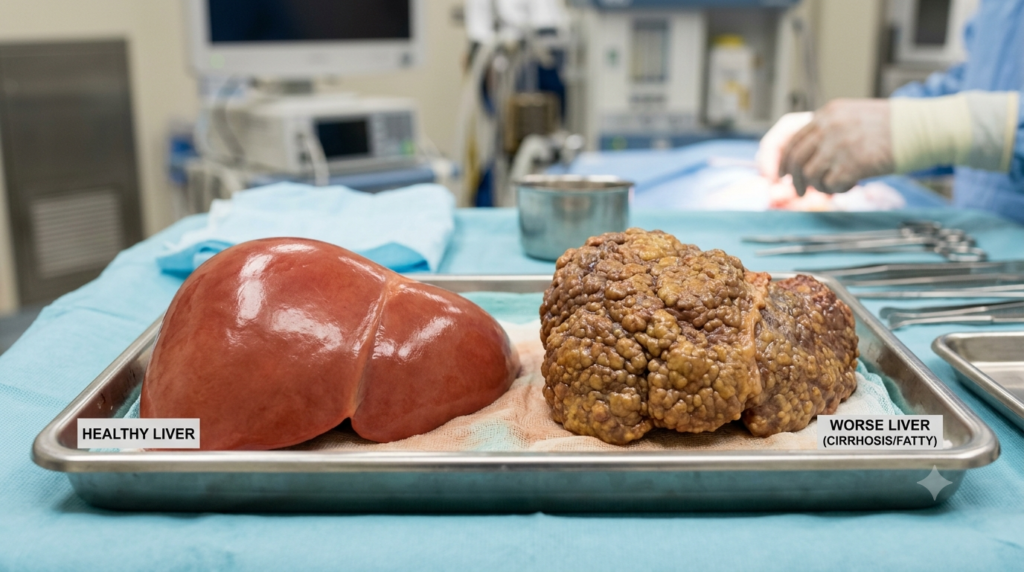
liver is one of the body’s most important organs, working around the clock to filter waste, process nutrients, aid digestion, and support overall health. Although many products claim to “detox” the liver, a healthy liver naturally cleanses itself. The best way to support liver health is through nutritious foods, regular exercise, proper hydration, and healthy lifestyle habits. This 7-day guide will help you build simple, science-based habits to support your liver naturally.
Think of your liver as your body’s natural processing and recycling center. Every meal you eat, every medication you take, and many substances you encounter are processed by this remarkable organ.
A healthy liver helps:
- Filter waste products from the bloodstream.
- Process carbohydrates, fats, and proteins.
- Produce bile to aid fat digestion.
- Store vitamins, minerals, and energy.
- Support normal metabolism.
- Help regulate cholesterol levels.
When the liver is placed under constant stress from unhealthy lifestyle habits, its ability to function efficiently may decline over time.
Can You Really Detox Your Liver?
The term “detox” is often misunderstood.
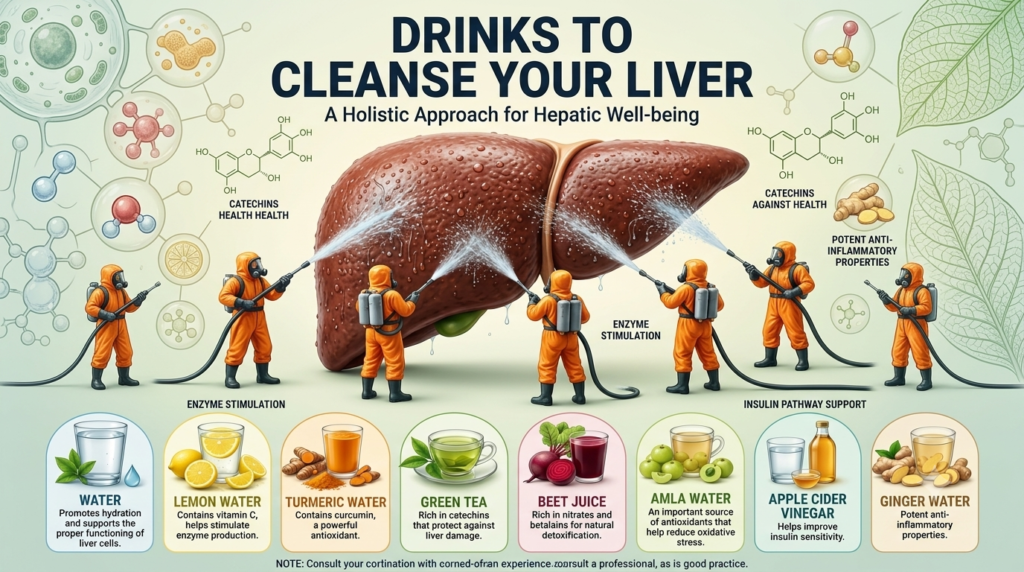
Your liver naturally detoxifies your body every day. No drink, tea, juice cleanse, or supplement has been proven to instantly remove toxins from a healthy liver.
Instead, supporting your liver naturally involves:
- Eating a balanced, nutritious diet.
- Staying well hydrated.
- Limiting or avoiding alcohol.
- Exercising regularly.
- Getting enough sleep.
- Maintaining a healthy weight.
These habits help support your liver’s normal functions and overall health.
Day 1: Give Your Liver a Break
The first step is to reduce habits that place unnecessary stress on your liver.
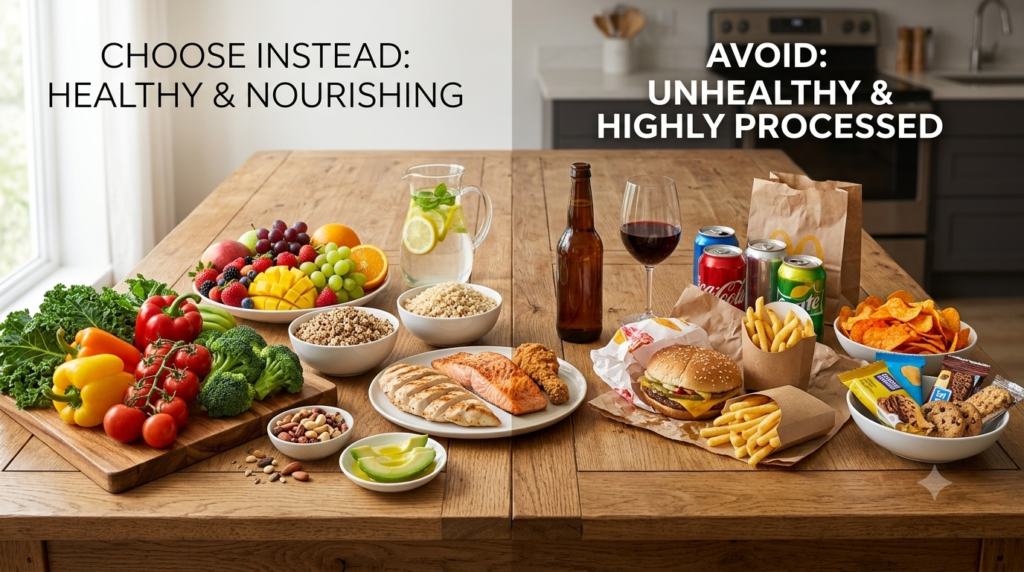
Avoid:
- Alcohol
- Sugary soft drinks
- Deep-fried foods
- Fast food
- Highly processed snacks
Choose instead:
- Fresh vegetables
- Seasonal fruits
- Whole grains
- Lean protein
- Healthy fats
Practical Example
Instead of ordering fried chicken with a sugary soda for lunch, choose grilled chicken with brown rice, steamed vegetables, and a glass of water.
Simple food swaps like these can reduce excess calories, unhealthy fats, and added sugars.
Day 2: Stay Hydrated
Water doesn’t directly “flush toxins” from the liver, but proper hydration supports digestion, circulation, and overall body function.
Aim to drink water consistently throughout the day rather than waiting until you feel thirsty.
Simple hydration tips:
- Start your day with a glass of water.
- Carry a reusable water bottle.
- Eat water-rich fruits such as watermelon and oranges.
- Replace sugary drinks with plain water whenever possible.
Proper hydration also supports kidney function, which plays an important role in removing waste from the body.
Day 3: Eat Foods That Support Liver Health
A balanced diet provides vitamins, minerals, antioxidants, and fiber that support overall health.
Nutritious foods include:
Leafy Greens
Spinach, kale, and lettuce provide vitamins, minerals, and plant compounds that contribute to a healthy diet.
Garlic
Garlic adds flavor without excessive salt and contains beneficial plant compounds.
Broccoli and Cauliflower
These cruciferous vegetables are rich in fiber and essential nutrients.
Berries
Blueberries and strawberries provide antioxidants that help protect cells from oxidative stress.
Oats
Whole oats contain soluble fiber that supports digestive health.
Healthy Fats
Choose olive oil, avocados, nuts, and seeds instead of foods high in trans fats.
Sample Meal Plan
Breakfast: Oatmeal topped with blueberries and walnuts.
Lunch: Grilled fish with broccoli and brown rice.
Dinner: Mixed vegetable salad with olive oil dressing and grilled chicken.
Day 4: Increase Your Fiber Intake
Fiber supports healthy digestion, promotes fullness, and contributes to overall metabolic health.
Good sources include:
- Apples
- Pears
- Lentils
- Chickpeas
- Brown rice
- Oats
- Vegetables
- Chia seeds
- Flaxseeds
Aim to include at least one fiber-rich food with every meal.
Day 5: Get Moving
Regular exercise benefits almost every organ, including the liver.
Physical activity can help:
- Maintain a healthy weight.
- Improve metabolism.
- Support heart health.
- Boost energy levels.
Choose activities you enjoy, such as walking, cycling, swimming, dancing, yoga, or light strength training.
Practical Goal
Take a 30-minute walk after dinner instead of sitting in front of the television.
Remember, consistency is more important than intensity.
Day 6: Prioritize Quality Sleep
Sleep allows your body to repair and recover.
Most adults should aim for 7–9 hours of quality sleep each night.
Improve your sleep by:
- Going to bed at the same time every night.
- Limiting caffeine later in the day.
- Keeping your bedroom cool, dark, and quiet.
- Avoiding screens before bedtime.
Day 7: Build Healthy Habits That Last
The final day is about creating long-term habits rather than relying on temporary detox programs.
Continue to:
- Eat balanced meals.
- Stay hydrated.
- Exercise regularly.
- Avoid smoking.
- Limit alcohol.
- Manage stress.
- Schedule regular health checkups.
Sustainable habits provide far greater benefits than short-term detoxes.
Medical Disclaimer
This article is for educational purposes only and should not be considered medical advice. If you have liver disease, persistent symptoms, or concerns about your liver health, consult a qualified healthcare professional before making significant changes to your diet or lifestyle.