

Introduction
Hair loss can be frustrating and affect your confidence. If you’re noticing more hair falling out than usual or your hair is becoming thinner, you’re probably wondering how to stop hair loss. The good news is that while hair regrowth takes time, the right diet, healthy habits, and effective treatments can help reduce hair loss and support new growth. In this guide, you’ll discover simple and practical ways to stop hair loss and regrow thinning hair.
Understanding Hair Loss: Why Is Your Hair Thinning?
Before learning how to stop hair loss, it’s important to understand what’s causing it. Hair loss can result from various factors, and identifying the root cause can help you choose the most effective treatment.
Common Causes of Hair Loss
Genetics (Male and Female Pattern Baldness)
Genetics is the most common cause of hair loss. Known as androgenetic alopecia, this condition causes gradual thinning over time. If hair loss runs in your family, early intervention is essential to slow progression.
Stress and Lifestyle Factors
Physical or emotional stress can trigger excessive hair shedding, known as telogen effluvium. Major life changes, illness, or chronic stress may push more hair follicles into the shedding phase.
Hormonal Changes
Hormonal fluctuations due to pregnancy, menopause, thyroid disorders, or polycystic ovary syndrome (PCOS) can contribute to hair thinning.
Nutritional Deficiencies
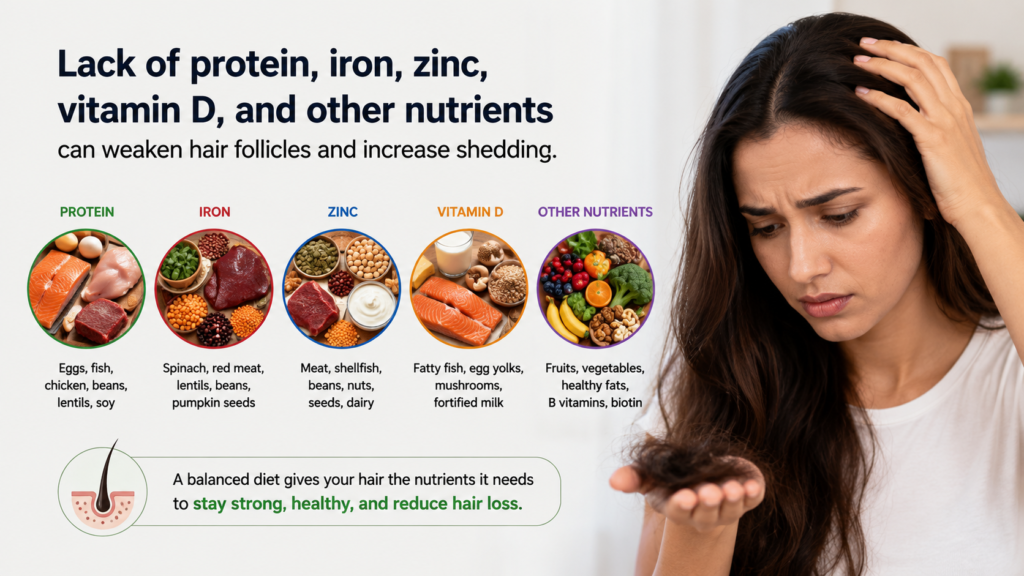
Lack of protein, iron, zinc, vitamin D, and other nutrients can weaken hair follicles and increase shedding.
Medical Conditions and Medications
Certain health conditions and medications can cause hair loss as a side effect. Consulting a healthcare professional may help identify underlying issues.
Signs That Your Hair Is Thinning
Recognising early signs can help you take action sooner and improve your chances of success when learning how to stop hair loss.
More hair than usual falling out during brushing or washing
A widening part line
Visible scalp through the hair
Reduced hair volume and density
Receding hairline or thinning crown
How to Stop Hair Loss: Effective Solutions That Work
Many people searching for how to stop hair loss want practical solutions they can start immediately. The following strategies can help strengthen hair and reduce shedding.
Improve Your Diet for Stronger Hair
Healthy hair begins from within. Hair follicles require essential nutrients to grow strong and healthy strands.
Increase Protein Intake
Hair is primarily made of keratin, a protein. Include foods such as eggs, fish, lean meats, beans, and dairy products in your diet.
Focus on Essential Nutrients
Iron, zinc, biotin, and vitamin D play critical roles in hair growth. Nutrient deficiencies can lead to increased hair shedding.
Eat Healthy Fats
Omega-3 fatty acids found in salmon, walnuts, and flaxseeds may support scalp health and reduce inflammation.
Stay Hydrated
Proper hydration helps maintain a healthy scalp environment and supports overall hair health.
Reduce Stress Levels
If stress is contributing to your hair loss, managing it effectively can help restore normal hair growth.
Exercise Regularly
Physical activity improves circulation and helps reduce stress hormones that may contribute to hair loss.
Practise Relaxation Techniques
Meditation, yoga, and deep breathing exercises can help lower stress levels and support healthier hair growth.
Prioritise Sleep
Quality sleep allows your body to repair and regenerate, including the cells responsible for hair growth.
Adopt a Healthy Hair Care Routine
A gentle hair care routine can prevent unnecessary breakage and support efforts to stop hair loss.
Choose Mild Hair Products
Avoid shampoos and styling products containing harsh chemicals that may irritate the scalp.
Limit Heat Styling
Frequent use of blow dryers, curling irons, and straighteners can weaken hair strands.
Avoid Tight Hairstyles
Tight ponytails, braids, and buns can cause traction alopecia, a form of hair loss caused by excessive pulling.
Best Treatments to Regrow Thinning Hair Fast
If you’re serious about learning how to stop hair loss and regrow thinning hair fast, medical and natural treatments may accelerate results.
FDA-Approved Hair Loss Treatments
Minoxidil
Minoxidil is a topical treatment that helps stimulate hair follicles and extend the hair growth phase. It is widely used by both men and women.
Finasteride
Finasteride is an oral medication commonly prescribed for men experiencing pattern baldness. It works by reducing levels of DHT, a hormone linked to hair loss.
What Results Can You Expect?
Most users begin noticing reduced shedding within a few months, while visible regrowth often takes three to six months or longer.
Natural Remedies for Hair Growth
Rosemary Oil
Research suggests rosemary oil may help improve circulation to hair follicles and support hair growth.
Scalp Massage
Regular scalp massage can increase blood flow and potentially improve follicle function.
Aloe Vera
Aloe vera may soothe scalp irritation and support a healthier scalp environment.
Onion Juice
Although evidence is limited, some studies suggest onion juice may promote hair regrowth in certain cases.
Advanced Hair Restoration Options
Platelet-Rich Plasma (PRP) Therapy
PRP uses growth factors from your own blood to stimulate hair follicles and encourage growth.
Low-Level Laser Therapy (LLLT)
Laser therapy devices may help improve hair density and reduce hair thinning.
Hair Transplant Surgery
For advanced hair loss, hair transplantation offers a long-term solution by relocating healthy follicles to thinning areas.
Daily Habits That Promote Faster Hair Regrowth
Learning how to stop hair loss isn’t just about treatments—daily habits matter too.
Maintain a Consistent Routine
Hair growth takes time. Consistency is often the biggest factor in achieving noticeable results.
Stick to Your Treatment Plan
Frequent switching between products can make it difficult to evaluate what’s working.
Monitor Your Progress
Take monthly photos under similar lighting conditions to track improvements.
Protect Hair from Damage
Minimise Chemical Treatments
Repeated colouring, bleaching, and chemical straightening can weaken hair.
Protect Hair from Environmental Stressors
UV rays, pollution, and harsh weather conditions can affect hair health.
Use Gentle Drying Techniques
Pat hair dry with a soft towel rather than rubbing aggressively.
Hair Growth Timeline: When Will You See Results?
One of the most common questions about how to stop hair loss is how long it takes to see improvement.
First Month
You may notice less hair shedding and improved scalp health.
Three Months
Many treatments begin showing early signs of effectiveness, including reduced thinning.
Six Months
Visible improvements in hair density and thickness often become more noticeable.
Twelve Months and Beyond
Long-term consistency can lead to significant improvements, depending on the cause and severity of hair loss.
Common Mistakes That Make Hair Loss Worse
Many people unknowingly sabotage their progress while trying to learn how to stop hair loss.
Relying on Quick Fixes
Products promising instant regrowth are often unrealistic.
Ignoring Underlying Health Issues
Addressing nutrient deficiencies, hormonal imbalances, or medical conditions is essential.
Overusing Hair Products
Excessive product use can lead to scalp buildup and irritation.
Stopping Treatment Too Soon
Most hair loss treatments require several months before results become visible.
When to See a Doctor
Professional guidance may be necessary if you’re struggling to determine how to stop hair loss effectively.
Seek medical advice if you experience:
Sudden hair loss
Patchy bald spots
Excessive shedding that lasts for months
Scalp pain, redness, or itching
Hair loss accompanied by fatigue or other health symptoms
A dermatologist can diagnose the cause and recommend appropriate treatments.
Frequently Asked Questions (FAQ)
Can thinning hair grow back?
Yes, depending on the cause. Hair loss due to stress, nutritional deficiencies, or certain medical conditions is often reversible.
What is the fastest way to regrow thinning hair?
Combining proven treatments such as minoxidil with a healthy diet, stress management, and proper hair care generally produces the best results.
Which vitamin deficiency causes hair loss?
Deficiencies in vitamin D, iron, zinc, and biotin are commonly associated with hair thinning.
Does stress-related hair loss reverse itself?
In many cases, hair growth resumes once stress levels decrease and the body recovers.
Are natural remedies effective for hair regrowth?
Some natural remedies may support hair health, but evidence is generally weaker than for clinically tested treatments.
Conclusion
Stopping hair loss starts with understanding what’s causing it. Whether it’s due to stress, poor nutrition, genetics, or daily habits, taking the right steps early can make a big difference. With a healthy diet, proper hair care, and the right treatments, you can reduce hair loss and support stronger, healthier hair growth over time