
- Introduction
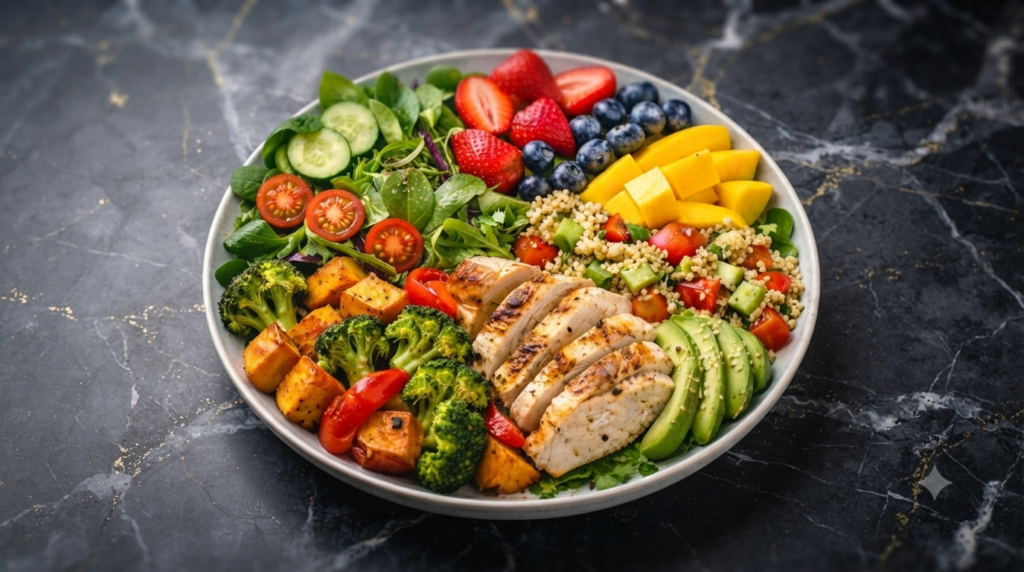
If you’re trying to lose weight, eating healthy and filling meals can make your diet easier to follow. Low calorie high protein meals are a good option because they combine protein-rich foods with vegetables, fruits, whole grains, and other healthy ingredients.
Protein can help you feel full for longer and support your muscles. Instead of simply eating less, try to build balanced meals with lean protein and fiber-rich foods. This can help you stay satisfied while managing your calorie intake.
The goal is not to eat as few calories as possible. A healthy weight-loss plan should give your body enough energy and nutrients while helping you maintain a suitable calorie deficit.
- What Makes a Meal Low Calorie and High Protein?
A low calorie high protein meal generally provides a substantial amount of protein without contributing excessive calories. The exact calorie and protein amounts depend on the ingredients, portion sizes, and individual nutritional needs.
Good choices include foods such as:
Chicken breast
Fish and seafood
Eggs and egg whites
Greek yogurt
Cottage cheese
Tofu and tempeh
Lentils and beans
Edamame
Adding vegetables can increase the volume and nutritional value of a meal without adding many calories. Portion sizes still matter, particularly with calorie-dense foods such as oils, nuts, cheese, and creamy sauces.
- How Protein May Support Weight Loss
Protein can help make meals more satisfying, which may make it easier to manage hunger while following a calorie-controlled eating pattern.
It also plays an important role in maintaining and repairing muscle tissue. During weight loss, eating enough protein and participating in resistance exercise can help support the preservation of lean muscle mass.
This is one reason low calorie high protein meals can be useful for people who want to lose body fat while maintaining a balanced diet.
However, protein alone does not cause weight loss. Overall calorie intake, food quality, physical activity, sleep, and long-term consistency all matter.
- Best Foods for Low Calorie High Protein Meals
Lean Animal Proteins
Lean protein sources can provide substantial protein without a large amount of calories.
Chicken breast: A versatile option for salads, wraps, bowls, and stir-fries.
Turkey: Lean turkey can be used in sandwiches, lettuce wraps, burgers, or vegetable bowls.
Eggs and egg whites: Eggs provide protein and several nutrients, while egg whites provide protein with fewer calories.
Fish: Tuna, cod, tilapia, salmon, and other fish can be incorporated into balanced meals. Salmon also provides healthy unsaturated fats.
Greek yogurt: Plain, low-fat or nonfat Greek yogurt can be used for breakfast, snacks, or as a base for sauces.
Cottage cheese: Cottage cheese is a convenient protein-rich food that pairs well with fruit or vegetables.
Plant-Based Protein Sources
People following vegetarian or plant-based diets have plenty of options.
Tofu and tempeh: These soy foods can be added to stir-fries, salads, bowls, and soups.
Lentils: Lentils provide protein and fiber and work well in soups, curries, and salads.
Beans: Black beans, kidney beans, chickpeas, and other legumes can make meals more filling.
Edamame: Edamame provides plant-based protein and can be eaten as a snack or added to bowls and salads.
- 15 Low Calorie High Protein Meal Ideas
Breakfast
Greek Yogurt With Berries and Chia Seeds
Combine plain Greek yogurt with berries and a small portion of chia seeds. This provides protein, fiber, and micronutrients in a simple breakfast.
Vegetable Egg-White Omelet
Prepare egg whites with vegetables such as spinach, mushrooms, tomatoes, and peppers. Add a whole egg if desired for additional nutrients and flavor.
Cottage Cheese With Fruit
Combine cottage cheese with berries, apples, peaches, or another fruit for an easy protein-rich breakfast or snack.
Lunch
Grilled Chicken Salad
Combine grilled chicken with leafy greens, cucumber, tomatoes, carrots, and a light dressing. This is one of the easiest low calorie high protein meals to customize.
Tuna and Vegetable Bowl
Combine tuna with cucumber, tomatoes, leafy greens, and a small portion of whole grains or beans.
Lentil and Vegetable Soup
Lentils, vegetables, herbs, and a low-sodium broth can create a satisfying meal containing both protein and fiber.
Tofu and Vegetable Stir-Fry
Cook tofu with broccoli, mushrooms, peppers, cabbage, and other vegetables. Use a moderate amount of oil and a flavorful, lower-calorie sauce.
Dinner
Grilled Fish With Roasted Vegetables
Pair grilled fish with broccoli, zucchini, cauliflower, or other roasted vegetables. Add a moderate portion of potatoes or whole grains if desired.
Chicken and Cauliflower Rice Bowl
Combine grilled chicken with cauliflower rice and colorful vegetables. Add herbs, spices, and a light dressing for flavor.
Turkey Lettuce Wraps
Use lean ground turkey with vegetables and seasonings, then serve the mixture in lettuce leaves.
Chicken Vegetable Soup
Chicken, vegetables, herbs, and broth can create a warm and satisfying dinner without relying on heavy sauces or large amounts of added fat.
Snacks
Greek Yogurt: Choose plain Greek yogurt and add fresh fruit for natural sweetness.
Cottage Cheese and Berries: A simple combination that provides protein along with fruit.
Hard-Boiled Eggs: Convenient and easy to prepare ahead of time.
Edamame: A plant-based snack that provides protein and fiber.
- Low Calorie High Protein Meals for Meal Prep
Meal prepping can make healthy eating easier when you have a busy schedule. Start by preparing a few protein sources, vegetables, and high-fiber carbohydrates.
For example, you could prepare grilled chicken, roasted vegetables, and brown rice for several meals. Another option is baked tofu with broccoli and quinoa.
Store individual portions appropriately and refrigerate perishable foods promptly. Preparing ingredients rather than complete meals can also give you flexibility throughout the week.
- How to Build Your Own Low Calorie High Protein Meal
A simple formula can help you create balanced low calorie high protein meals:
- Choose a protein: Chicken, fish, eggs, Greek yogurt, tofu, lentils, or beans.
- Add vegetables: Include spinach, broccoli, cucumber, tomatoes, peppers, cauliflower, mushrooms, or other vegetables.
- Choose a high-fiber carbohydrate: Consider oats, potatoes, beans, lentils, quinoa, brown rice, or whole-grain foods.
- Add healthy fats in moderation: Avocado, nuts, seeds, or olive oil can contribute beneficial unsaturated fats, but portions are important because these foods are calorie-dense.
This approach creates meals that are nutritious, satisfying, and easier to fit into a calorie-controlled diet.
- Common Mistakes to Avoid
Even healthy foods can contribute to excess calories when portions become very large. Some common mistakes include:
Eating too little because a meal is labeled “low calorie.”
Focusing only on protein and ignoring vegetables and fiber.
Using large amounts of oil, cheese, sauces, or dressings.
Depending heavily on highly processed protein products.
Skipping meals and becoming extremely hungry later.
Believing that eating more protein automatically causes fat loss.
A sustainable diet should be balanced rather than unnecessarily restrictive.
- Tips for Making High-Protein Meals More Filling
To make low calorie high protein meals more satisfying:
Include plenty of vegetables.
Choose protein-rich foods you enjoy.
Add fiber-rich foods such as beans, lentils, fruits, vegetables, and whole grains.
Drink fluids regularly.
Use herbs and spices instead of relying heavily on high-calorie sauces.
Pay attention to portion sizes.
Combine protein with vegetables and appropriate amounts of carbohydrates and healthy fats.
These habits can help you build meals that are both nutritious and enjoyable.
- Frequently Asked Questions
What are the best low calorie high protein meals for weight loss?
Meals based around lean protein, vegetables, and fiber-rich foods can be good choices. Examples include grilled chicken salad, Greek yogurt with berries, tofu and vegetable stir-fry, lentil soup, and grilled fish with vegetables.
How much protein should I eat when trying to lose weight?
Protein needs vary based on factors such as body size, age, activity level, and health goals. There isn’t one protein target that is appropriate for everyone.
Can I eat high-protein meals every day?
Yes. Protein can be part of a healthy daily diet. Try to vary your protein sources and include vegetables, fruits, whole grains, and healthy fats.
Are low calorie high protein meals good for dinner?
They can be. A dinner containing protein, vegetables, and an appropriate serving of carbohydrates can be filling without being excessively high in calories.
What are the best vegetarian high-protein meals?
Tofu stir-fries, lentil soups, bean bowls, edamame salads, Greek yogurt, cottage cheese, and egg-based meals are examples, depending on your dietary preferences.
Can low calorie high protein meals help preserve muscle?
Adequate protein can support muscle maintenance, particularly when combined with resistance training. However, overall nutrition and exercise are also important.
- Sample One-Day Meal Plan
A simple day could include:
Breakfast: Plain Greek yogurt with berries and chia seeds.
Lunch: Grilled chicken salad with mixed vegetables and a light dressing.
Snack: Cottage cheese with fresh fruit.
Dinner: Grilled fish with roasted vegetables and a moderate serving of potatoes or whole grains.
This is only an example. Individual calorie and protein requirements vary, so portions should be adjusted according to personal nutritional needs and goals.
- Final Thoughts
Low calorie high protein meals can be a helpful choice when you’re trying to lose weight. Protein can help you feel full and support your muscles, while vegetables, fruits, and fiber-rich foods provide important nutrients.
Instead of eating very few calories, focus on balanced portions, enough protein, healthy foods, and regular physical activity. Choose habits that you can follow for a long time.
Remember, healthy weight loss is about staying consistent, not being perfect.