Introduction
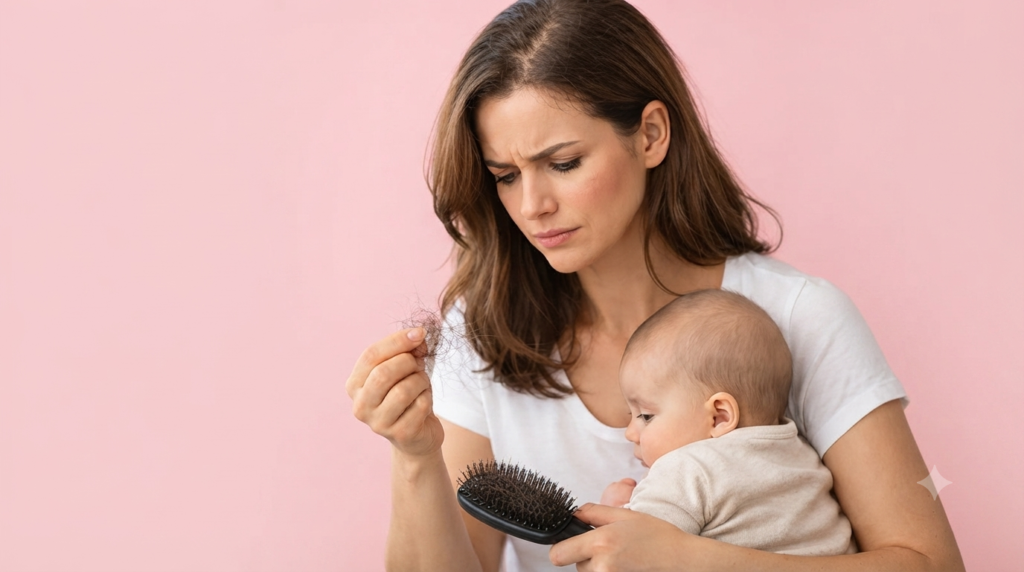
Welcoming a new baby is an exciting experience, but it also brings many changes to your body. One change that often catches new mums by surprise is postpartum hair loss. After enjoying thicker hair during pregnancy, you may notice more hair falling out when you brush, wash, or style it.
Although it can be worrying, postpartum hair loss is very common and is usually temporary. Understanding why it happens and what you can do about it can make the experience less stressful. In this article, we’ll explain the causes, symptoms, treatment options, and recovery timeline of postpartum hair loss.
What Is Postpartum Hair Loss?
Understanding the Condition
Postpartum hair loss refers to the excessive shedding of hair that occurs after childbirth. It is medically known as postpartum telogen effluvium and happens when a larger-than-normal number of hair follicles enter the shedding phase of the hair growth cycle.
Normally, people lose between 50 and 100 hairs per day. However, during postpartum hair loss, shedding can be much more noticeable, making hair appear thinner than usual. Although it may seem like you’re losing a significant amount of hair, the condition is generally temporary and does not usually lead to permanent baldness.
Why It Happens
During pregnancy, elevated estrogen levels keep many hairs in the growth phase for longer than usual. This results in thicker, fuller-looking hair. After childbirth, hormone levels drop rapidly, causing those retained hairs to enter the shedding phase simultaneously. This hormonal shift is the primary reason behind postpartum hair loss.
What Causes Postpartum Hair Loss?
Hormonal Fluctuations
The most common cause of postpartum hair loss is the sudden decline in estrogen levels after delivery. During pregnancy, estrogen helps maintain hair growth and reduces normal shedding. Once the baby is born, hormone levels return to their pre-pregnancy state, triggering increased hair loss.
Physical and Emotional Stress
Childbirth is physically demanding, and caring for a newborn often brings sleep deprivation and emotional stress. These stressors can contribute to postpartum hair loss by disrupting the normal hair growth cycle and increasing hair shedding.
Nutritional Factors
A balanced diet is essential for healthy hair growth. Nutrient deficiencies, particularly low iron, vitamin D, zinc, and protein levels, can worsen postpartum hair loss. New mums who are recovering from childbirth need adequate nutrition to support both overall health and hair regrowth.
Underlying Health Conditions
In some cases, excessive postpartum hair loss may be linked to medical conditions such as thyroid disorders or postpartum anemia. If hair shedding seems unusually severe or persists for an extended period, a healthcare professional can help identify any underlying issues.
When Does Postpartum Hair Loss Start?
Typical Timeline
Most women begin experiencing postpartum hair loss around two to four months after giving birth. Hair shedding often reaches its peak between four and six months postpartum.
The good news is that postpartum hair loss typically improves within six to twelve months as hormone levels stabilise and the hair growth cycle returns to normal.
What Is Considered Normal?
It is normal to notice more hair than usual falling out during brushing, washing, or styling. However, if you experience bald patches, severe thinning, or hair loss that continues beyond a year, it may be worth seeking medical advice.
Common Signs and Symptoms of Postpartum Hair Loss
Increased Hair Shedding
One of the most noticeable signs of postpartum hair loss is finding large amounts of hair in your hairbrush, shower drain, or on your clothing. This increased shedding can feel dramatic but is often a normal part of postpartum recovery.
Noticeable Thinning
Many women with postpartum hair loss notice thinning around the hairline and temples. The overall volume of the hair may also decrease, making ponytails feel thinner than before.
Changes in Hair Texture
Some women report temporary changes in hair texture during postpartum hair loss. Hair may feel finer, flatter, or more difficult to manage until normal growth resumes.
How to Manage Postpartum Hair Loss
Follow a Nutrient-Rich Diet
Eating a healthy diet can support recovery from postpartum hair loss. Focus on foods rich in:
Protein, such as eggs, fish, and lean meats
Iron-rich foods like spinach and lentils
Zinc from nuts and seeds
Vitamin D from fortified foods and sunlight exposure
Proper nutrition provides the building blocks needed for healthy hair growth.
Use Gentle Hair Care Practices
Gentle hair care can minimise breakage while dealing with postpartum hair loss. Consider:
Avoiding tight hairstyles
Limiting heat styling tools
Using a wide-toothed comb
Choosing volumising shampoos designed for thinning hair
Manage Stress Levels
While easier said than done, reducing stress can support recovery from postpartum hair loss. Prioritising rest, accepting help from loved ones, and practising relaxation techniques may benefit both your mental health and hair health.
Continue Postnatal Supplements
If recommended by your healthcare provider, continuing postnatal vitamins can help address nutritional gaps that may contribute to postpartum hair loss.
Effective Treatments for Postpartum Hair Loss
Natural Recovery
In most cases, postpartum hair loss resolves naturally without medical treatment. As hormone levels stabilise and the hair growth cycle normalises, new hair begins to grow and replace shed hair.
Medical Treatments
If postpartum hair loss is severe or prolonged, a healthcare provider may investigate potential causes such as iron deficiency or thyroid dysfunction. Treating these underlying conditions can improve hair growth.
Professional Hair Care Options
Some women explore professional treatments to support hair health during postpartum hair loss, including scalp therapies and hair-strengthening treatments. While these may improve the appearance of hair, natural regrowth remains the most important factor in recovery.
Myths About Postpartum Hair Loss
Myth 1: Hair Loss Means Something Is Wrong
Many new mums worry that postpartum hair loss indicates a serious health problem. In reality, temporary shedding is a normal response to hormonal changes after pregnancy.
Myth 2: Breastfeeding Causes Hair Loss
Breastfeeding itself does not directly cause postpartum hair loss. The shedding is primarily related to hormonal changes that occur after childbirth.
Postpartum Hair Loss: What Every New Mum Needs to Know
One of the biggest misconceptions about postpartum hair loss is that the lost hair is gone forever. Fortunately, most women experience significant regrowth within the first year after delivery.
When Should You See a Doctor?
Warning Signs to Watch For
Although postpartum hair loss is usually harmless, you should consult a healthcare professional if you experience:
Hair loss lasting longer than 12 months
Sudden bald patches
Severe scalp irritation
Extreme fatigue alongside hair loss
Symptoms of anemia or thyroid disease
Diagnostic Tests Your Doctor May Recommend
To determine whether another condition is contributing to postpartum hair loss, your doctor may recommend:
Blood tests for iron levels
Thyroid function tests
Vitamin and mineral assessments
Hormone evaluations
These tests can help identify treatable causes of excessive hair shedding.
Frequently Asked Questions (FAQ)
How long does postpartum hair loss last?
Most cases of postpartum hair loss improve within six to twelve months after childbirth, although individual experiences may vary.
Can postpartum hair loss be prevented?
Complete prevention is not always possible because hormonal changes are a natural part of recovery. However, healthy nutrition and proper hair care may help reduce the severity of postpartum hair loss.
Does breastfeeding make postpartum hair loss worse?
No. Breastfeeding is not considered a direct cause of postpartum hair loss, although overall nutritional needs remain important during this period.
What vitamins help with postpartum hair loss?
Iron, vitamin D, zinc, biotin, and adequate protein intake may support recovery from postpartum hair loss when deficiencies are present.
When will my hair return to normal?
Most women notice significant regrowth and improvement within the first year after childbirth, although hair texture and volume may take longer to fully return.
Conclusion
Postpartum hair loss is a normal part of recovery for many women after giving birth. While it can be upsetting to see more hair falling out than usual, it is usually temporary and caused by the hormonal changes that happen after pregnancy.
Eating a healthy diet, taking good care of your hair, and looking after your overall well-being can help support healthy hair growth. If the hair loss seems excessive or continues for a long time, it’s a good idea to speak with a healthcare professional.
Most importantly, be patient with yourself. In most cases, postpartum hair loss gets better on its own, and your hair will gradually become fuller again as your body recovers after childbirth.