
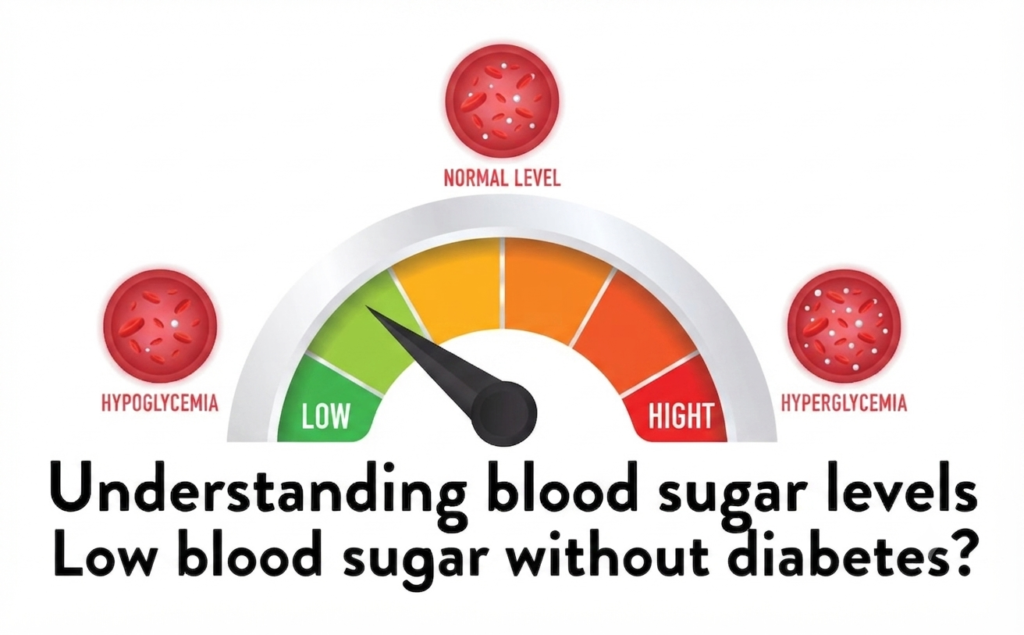
What Is Low Blood Sugar?
Definition of Hypoglycemia
Hypoglycemia refers to an abnormally low level of glucose in the blood. For most people, blood sugar levels below 70 mg/dL are generally considered low, although symptoms can vary from person to person.
Blood glucose serves as fuel for your body’s cells. When levels fall too low, the body struggles to function efficiently, leading to noticeable symptoms and health concerns.
Why Stable Blood Sugar Matters
Maintaining stable blood sugar levels is essential for overall health. The brain relies heavily on glucose to perform cognitive functions such as thinking, memory, and concentration. When blood sugar drops significantly, the body activates stress hormones to restore balance.
Understanding what causes low blood sugar without diabetes is important because repeated episodes can affect your quality of life and may signal an underlying health condition that requires medical evaluation.
Common Symptoms of Low Blood Sugar
Early Warning Signs
Low blood sugar often begins with subtle symptoms, including:
Sudden hunger
Shakiness or trembling
Excessive sweating
Dizziness
Rapid heartbeat
Anxiety or nervousness
Weakness and fatigue
These symptoms occur because the body releases adrenaline to raise blood sugar levels.
More Severe Symptoms
If blood sugar continues to decline, symptoms can become more serious:
Confusion
Difficulty concentrating
Blurred vision
Slurred speech
Loss of coordination
Seizures
Loss of consciousness
Recognizing these warning signs can help prevent complications and answer concerns about what causes low blood sugar without diabetes in recurring situations.
What Causes Low Blood Sugar Without Diabetes?
There are several explanations for what causes low blood sugar without diabetes, ranging from lifestyle habits to underlying medical conditions.
- Skipping Meals or Prolonged Fasting
One of the most common answers to what causes low blood sugar without diabetes is going too long without eating.
When you skip meals or fast for extended periods, your body uses stored glucose for energy. Once these stores become depleted, blood sugar levels may fall, resulting in hypoglycemia symptoms.
People who frequently diet, practice intermittent fasting, or have irregular eating schedules are particularly vulnerable.
- Excessive Physical Activity
Exercise requires energy, and glucose is one of the body’s primary fuel sources.
Intense workouts, endurance training, or prolonged physical activity can rapidly consume glucose reserves. Without adequate nutrition before or after exercise, blood sugar may drop significantly.
This is why athletes and highly active individuals often experience symptoms associated with low blood sugar despite not having diabetes.
- Drinking Alcohol on an Empty Stomach
Alcohol can interfere with the liver’s ability to release stored glucose into the bloodstream.
When alcohol is consumed without food, the liver prioritizes processing alcohol rather than maintaining blood sugar levels. As a result, glucose levels can decrease unexpectedly.
For many people asking what causes low blood sugar without diabetes, excessive alcohol consumption is a frequently overlooked factor.
- Certain Medications
Several medications can contribute to hypoglycemia even in individuals without diabetes.
Examples may include:
Some antibiotics
Certain heart medications
Malaria medications
Specific pain-relief drugs
Medication-related hypoglycemia can vary depending on dosage, individual health status, and interactions with other drugs.
- Hormonal Disorders
Hormones play a crucial role in regulating blood sugar levels.
Adrenal Insufficiency
The adrenal glands produce cortisol, a hormone that helps maintain normal blood glucose levels. Insufficient cortisol production can lead to recurrent episodes of low blood sugar.
Pituitary Gland Disorders
The pituitary gland controls several hormones involved in metabolism and glucose regulation. Dysfunction in this gland may contribute to hypoglycemia.
When evaluating what causes low blood sugar without diabetes, healthcare providers often consider hormonal imbalances as a potential cause.
- Reactive Hypoglycemia
Reactive hypoglycemia occurs when blood sugar drops a few hours after eating.
This condition may happen when the body releases too much insulin in response to a meal, causing glucose levels to fall below normal.
Common triggers include:
High-sugar meals
Refined carbohydrates
Large portions of processed foods
Reactive hypoglycemia is one of the most common explanations for what causes low blood sugar without diabetes after meals.
- Liver Disease
The liver acts as the body’s glucose storage and release center.
When liver function becomes impaired due to conditions such as hepatitis, cirrhosis, or severe liver disease, the body’s ability to maintain blood sugar levels can be compromised.
As a result, hypoglycemia may occur more frequently.
- Kidney Disease
The kidneys help regulate glucose metabolism and remove excess insulin from the body.
Kidney dysfunction can disrupt these processes, potentially leading to low blood sugar episodes.
Individuals with chronic kidney disease may experience fluctuations in glucose levels even without diabetes.
- Severe Illness or Infection
Serious infections and illnesses increase the body’s energy demands.
At the same time, illness can reduce appetite and food intake, creating an imbalance between energy consumption and glucose availability.
This combination may contribute to hypoglycemia in vulnerable individuals.
- Insulin-Producing Tumors (Insulinoma)
Although rare, insulinomas are tumors that produce excessive amounts of insulin.
Too much insulin causes glucose to move from the bloodstream into cells, leading to dangerously low blood sugar levels.
While uncommon, insulinomas are an important consideration when investigating persistent or unexplained hypoglycemia.
Who Is Most at Risk?
Certain groups are more likely to experience non-diabetic hypoglycemia, including:
*Individuals who skip meals regularly
*People following restrictive diets
*Endurance athletes
*Heavy alcohol users
*Older adults
*Individuals with liver or kidney disease
*People with hormonal disorders
Knowing these risk factors can help identify what causes low blood sugar without diabetes in specific populations.
How Is Non-Diabetic Hypoglycemia Diagnosed?
Medical History and Symptom Review
Doctors typically begin by reviewing symptoms, eating habits, medication use, and medical history.
Keeping a symptom diary can help identify patterns and potential triggers.
Blood Tests
Diagnostic testing may include:
*Blood glucose measurements
*Insulin levels
*Cortisol testing
*Liver and kidney function tests
These tests help determine what causes low blood sugar without diabetes and rule out serious underlying conditions.
Specialized Testing
Additional evaluations may include:
*Extended fasting tests
*Mixed-meal tolerance tests
*Imaging studies for insulin-producing tumors
Treatment and Management Options
Immediate Treatment for Low Blood Sugar
When symptoms occur, quick treatment is important.
Fast-acting carbohydrate sources include:
Fruit juice
Glucose tablets
Regular soda
Honey
Hard candies
These foods can rapidly raise blood sugar levels.
Long-Term Prevention Strategies
Preventive measures include:
*Eating regular meals throughout the day
*Including protein and fiber in meals
*Limiting sugary foods
*Avoiding excessive alcohol consumption
*Managing underlying medical conditions
*Monitoring symptoms carefully
Addressing the root cause is the most effective way to manage what causes low blood sugar without diabetes over the long term.
When to See a Doctor
Medical attention is recommended if:
*Low blood sugar episodes occur frequently
*Symptoms are severe or worsening
*You experience fainting or seizures
*Symptoms interfere with daily activities
*The cause remains unclear
Early diagnosis can prevent complications and identify any serious health conditions contributing to hypoglycemia.
What Is Low Blood Sugar?
Definition of Hypoglycemia
Hypoglycemia refers to an abnormally low level of glucose in the blood. For most people, blood sugar levels below 70 mg/dL are generally considered low, although symptoms can vary from person to person.
Blood glucose serves as fuel for your body’s cells. When levels fall too low, the body struggles to function efficiently, leading to noticeable symptoms and health concerns.
Why Stable Blood Sugar Matters
Maintaining stable blood sugar levels is essential for overall health. The brain relies heavily on glucose to perform cognitive functions such as thinking, memory, and concentration. When blood sugar drops significantly, the body activates stress hormones to restore balance.
Understanding what causes low blood sugar without diabetes is important because repeated episodes can affect your quality of life and may signal an underlying health condition that requires medical evaluation.
Common Symptoms of Low Blood Sugar
Early Warning Signs
Low blood sugar often begins with subtle symptoms, including:
Sudden hunger
Shakiness or trembling
Excessive sweating
Dizziness
Rapid heartbeat
Anxiety or nervousness
Weakness and fatigue
These symptoms occur because the body releases adrenaline to raise blood sugar levels.
More Severe Symptoms
If blood sugar continues to decline, symptoms can become more serious:
Confusion
Difficulty concentrating
Blurred vision
Slurred speech
Loss of coordination
Seizures
Loss of consciousness
Recognizing these warning signs can help prevent complications and answer concerns about what causes low blood sugar without diabetes in recurring situations.
What Causes Low Blood Sugar Without Diabetes?
There are several explanations for what causes low blood sugar without diabetes, ranging from lifestyle habits to underlying medical conditions.
1. Skipping Meals or Prolonged Fasting
One of the most common answers to what causes low blood sugar without diabetes is going too long without eating.
When you skip meals or fast for extended periods, your body uses stored glucose for energy. Once these stores become depleted, blood sugar levels may fall, resulting in hypoglycemia symptoms.
People who frequently diet, practice intermittent fasting, or have irregular eating schedules are particularly vulnerable.
2. Excessive Physical Activity
Exercise requires energy, and glucose is one of the body’s primary fuel sources.
Intense workouts, endurance training, or prolonged physical activity can rapidly consume glucose reserves. Without adequate nutrition before or after exercise, blood sugar may drop significantly.
This is why athletes and highly active individuals often experience symptoms associated with low blood sugar despite not having diabetes.
3. Drinking Alcohol on an Empty Stomach
Alcohol can interfere with the liver’s ability to release stored glucose into the bloodstream.
When alcohol is consumed without food, the liver prioritizes processing alcohol rather than maintaining blood sugar levels. As a result, glucose levels can decrease unexpectedly.
For many people asking what causes low blood sugar without diabetes, excessive alcohol consumption is a frequently overlooked factor.
4. Certain Medications
Several medications can contribute to hypoglycemia even in individuals without diabetes.
Examples may include:
Some antibiotics
Certain heart medications
Malaria medications
Specific pain-relief drugs
Medication-related hypoglycemia can vary depending on dosage, individual health status, and interactions with other drugs.
5. Hormonal Disorders
Hormones play a crucial role in regulating blood sugar levels.
Adrenal Insufficiency
The adrenal glands produce cortisol, a hormone that helps maintain normal blood glucose levels. Insufficient cortisol production can lead to recurrent episodes of low blood sugar.
Pituitary Gland Disorders
The pituitary gland controls several hormones involved in metabolism and glucose regulation. Dysfunction in this gland may contribute to hypoglycemia.
When evaluating what causes low blood sugar without diabetes, healthcare providers often consider hormonal imbalances as a potential cause.
6. Reactive Hypoglycemia
Reactive hypoglycemia occurs when blood sugar drops a few hours after eating.
This condition may happen when the body releases too much insulin in response to a meal, causing glucose levels to fall below normal.
Common triggers include:
High-sugar meals
Refined carbohydrates
Large portions of processed foods
Reactive hypoglycemia is one of the most common explanations for what causes low blood sugar without diabetes after meals.
7. Liver Disease
The liver acts as the body’s glucose storage and release center.
When liver function becomes impaired due to conditions such as hepatitis, cirrhosis, or severe liver disease, the body’s ability to maintain blood sugar levels can be compromised.
As a result, hypoglycemia may occur more frequently.
8. Kidney Disease
The kidneys help regulate glucose metabolism and remove excess insulin from the body.
Kidney dysfunction can disrupt these processes, potentially leading to low blood sugar episodes.
Individuals with chronic kidney disease may experience fluctuations in glucose levels even without diabetes.
9. Severe Illness or Infection
Serious infections and illnesses increase the body’s energy demands.
At the same time, illness can reduce appetite and food intake, creating an imbalance between energy consumption and glucose availability.
This combination may contribute to hypoglycemia in vulnerable individuals.
10. Insulin-Producing Tumors (Insulinoma)
Although rare, insulinomas are tumors that produce excessive amounts of insulin.
Too much insulin causes glucose to move from the bloodstream into cells, leading to dangerously low blood sugar levels.
While uncommon, insulinomas are an important consideration when investigating persistent or unexplained hypoglycemia.
Who Is Most at Risk?
Certain groups are more likely to experience non-diabetic hypoglycemia, including:
*Individuals who skip meals regularly
*People following restrictive diets
*Endurance athletes
*Heavy alcohol users
*Older adults
*Individuals with liver or kidney disease
*People with hormonal disorders
Knowing these risk factors can help identify what causes low blood sugar without diabetes in specific populations.
How Is Non-Diabetic Hypoglycemia Diagnosed?
Medical History and Symptom Review
Doctors typically begin by reviewing symptoms, eating habits, medication use, and medical history.
Keeping a symptom diary can help identify patterns and potential triggers.
Blood Tests
Diagnostic testing may include:
*Blood glucose measurements
*Insulin levels
*Cortisol testing
*Liver and kidney function tests
These tests help determine what causes low blood sugar without diabetes and rule out serious underlying conditions.
Specialized Testing
Additional evaluations may include:
*Extended fasting tests
*Mixed-meal tolerance tests
*Imaging studies for insulin-producing tumors
Treatment and Management Options
Immediate Treatment for Low Blood Sugar
When symptoms occur, quick treatment is important.
Fast-acting carbohydrate sources include:
Fruit juice
Glucose tablets
Regular soda
Honey
Hard candies
These foods can rapidly raise blood sugar levels.
Long-Term Prevention Strategies
Preventive measures include:
*Eating regular meals throughout the day
*Including protein and fiber in meals
*Limiting sugary foods
*Avoiding excessive alcohol consumption
*Managing underlying medical conditions
*Monitoring symptoms carefully
Addressing the root cause is the most effective way to manage what causes low blood sugar without diabetes over the long term.
When to See a Doctor
Medical attention is recommended if:
*Low blood sugar episodes occur frequently
*Symptoms are severe or worsening
*You experience fainting or seizures
*Symptoms interfere with daily activities
*The cause remains unclear
Early diagnosis can prevent complications and identify any serious health conditions contributing to hypoglycemia.
Frequently Asked Questions (FAQ)
Can stress cause low blood sugar without diabetes?
In some cases, prolonged stress may affect hormone levels and eating patterns, indirectly contributing to low blood sugar symptoms.
Is reactive hypoglycemia dangerous?
Most cases are manageable through dietary changes, but persistent symptoms should be evaluated by a healthcare professional.
Can low blood sugar occur during sleep?
Yes. Nighttime hypoglycemia can cause sweating, nightmares, restless sleep, and morning headaches.
What foods help prevent blood sugar crashes?
Foods rich in protein, healthy fats, fiber, and complex carbohydrates can help maintain stable glucose levels.
How often should low blood sugar episodes be evaluated?
Any recurring or unexplained episodes should be discussed with a healthcare provider.
Can stress cause low blood sugar without diabetes?
In some cases, prolonged stress may affect hormone levels and eating patterns, indirectly contributing to low blood sugar symptoms.
Is reactive hypoglycemia dangerous?
Most cases are manageable through dietary changes, but persistent symptoms should be evaluated by a healthcare professional.
What Is Low Blood Sugar?
Definition of Hypoglycemia
Hypoglycemia refers to an abnormally low level of glucose in the blood. For most people, blood sugar levels below 70 mg/dL are generally considered low, although symptoms can vary from person to person.
Blood glucose serves as fuel for your body’s cells. When levels fall too low, the body struggles to function efficiently, leading to noticeable symptoms and health concerns.
Why Stable Blood Sugar Matters
Maintaining stable blood sugar levels is essential for overall health. The brain relies heavily on glucose to perform cognitive functions such as thinking, memory, and concentration. When blood sugar drops significantly, the body activates stress hormones to restore balance.
Understanding what causes low blood sugar without diabetes is important because repeated episodes can affect your quality of life and may signal an underlying health condition that requires medical evaluation.
Common Symptoms of Low Blood Sugar
Early Warning Signs
Low blood sugar often begins with subtle symptoms, including:
Sudden hunger
Shakiness or trembling
Excessive sweating
Dizziness
Rapid heartbeat
Anxiety or nervousness
Weakness and fatigue
These symptoms occur because the body releases adrenaline to raise blood sugar levels.
More Severe Symptoms
If blood sugar continues to decline, symptoms can become more serious:
Confusion
Difficulty concentrating
Blurred vision
Slurred speech
Loss of coordination
Seizures
Loss of consciousness
Recognizing these warning signs can help prevent complications and answer concerns about what causes low blood sugar without diabetes in recurring situations.
What Causes Low Blood Sugar Without Diabetes?
There are several explanations for what causes low blood sugar without diabetes, ranging from lifestyle habits to underlying medical conditions.
1. Skipping Meals or Prolonged Fasting
One of the most common answers to what causes low blood sugar without diabetes is going too long without eating.
When you skip meals or fast for extended periods, your body uses stored glucose for energy. Once these stores become depleted, blood sugar levels may fall, resulting in hypoglycemia symptoms.
People who frequently diet, practice intermittent fasting, or have irregular eating schedules are particularly vulnerable.
2. Excessive Physical Activity
Exercise requires energy, and glucose is one of the body’s primary fuel sources.
Intense workouts, endurance training, or prolonged physical activity can rapidly consume glucose reserves. Without adequate nutrition before or after exercise, blood sugar may drop significantly.
This is why athletes and highly active individuals often experience symptoms associated with low blood sugar despite not having diabetes.
3. Drinking Alcohol on an Empty Stomach
Alcohol can interfere with the liver’s ability to release stored glucose into the bloodstream.
When alcohol is consumed without food, the liver prioritizes processing alcohol rather than maintaining blood sugar levels. As a result, glucose levels can decrease unexpectedly.
For many people asking what causes low blood sugar without diabetes, excessive alcohol consumption is a frequently overlooked factor.
4. Certain Medications
Several medications can contribute to hypoglycemia even in individuals without diabetes.
Examples may include:
Some antibiotics
Certain heart medications
Malaria medications
Specific pain-relief drugs
Medication-related hypoglycemia can vary depending on dosage, individual health status, and interactions with other drugs.
5. Hormonal Disorders
Hormones play a crucial role in regulating blood sugar levels.
Adrenal Insufficiency
The adrenal glands produce cortisol, a hormone that helps maintain normal blood glucose levels. Insufficient cortisol production can lead to recurrent episodes of low blood sugar.
Pituitary Gland Disorders
The pituitary gland controls several hormones involved in metabolism and glucose regulation. Dysfunction in this gland may contribute to hypoglycemia.
When evaluating what causes low blood sugar without diabetes, healthcare providers often consider hormonal imbalances as a potential cause.
6. Reactive Hypoglycemia
Reactive hypoglycemia occurs when blood sugar drops a few hours after eating.
This condition may happen when the body releases too much insulin in response to a meal, causing glucose levels to fall below normal.
Common triggers include:
High-sugar meals
Refined carbohydrates
Large portions of processed foods
Reactive hypoglycemia is one of the most common explanations for what causes low blood sugar without diabetes after meals.
7. Liver Disease
The liver acts as the body’s glucose storage and release center.
When liver function becomes impaired due to conditions such as hepatitis, cirrhosis, or severe liver disease, the body’s ability to maintain blood sugar levels can be compromised.
As a result, hypoglycemia may occur more frequently.
8. Kidney Disease
The kidneys help regulate glucose metabolism and remove excess insulin from the body.
Kidney dysfunction can disrupt these processes, potentially leading to low blood sugar episodes.
Individuals with chronic kidney disease may experience fluctuations in glucose levels even without diabetes.
9. Severe Illness or Infection
Serious infections and illnesses increase the body’s energy demands.
At the same time, illness can reduce appetite and food intake, creating an imbalance between energy consumption and glucose availability.
This combination may contribute to hypoglycemia in vulnerable individuals.
10. Insulin-Producing Tumors (Insulinoma)
Although rare, insulinomas are tumors that produce excessive amounts of insulin.
Too much insulin causes glucose to move from the bloodstream into cells, leading to dangerously low blood sugar levels.
While uncommon, insulinomas are an important consideration when investigating persistent or unexplained hypoglycemia.
Who Is Most at Risk?
Certain groups are more likely to experience non-diabetic hypoglycemia, including:
*Individuals who skip meals regularly
*People following restrictive diets
*Endurance athletes
*Heavy alcohol users
*Older adults
*Individuals with liver or kidney disease
*People with hormonal disorders
Knowing these risk factors can help identify what causes low blood sugar without diabetes in specific populations.
How Is Non-Diabetic Hypoglycemia Diagnosed?
Medical History and Symptom Review
Doctors typically begin by reviewing symptoms, eating habits, medication use, and medical history.
Keeping a symptom diary can help identify patterns and potential triggers.
Blood Tests
Blood Blood Tests
Diagnostic testing may include:
*Blood glucose measurements
*Insulin levels
*Cortisol testing
*Liver and kidney function tests
These tests help determine what causes low blood sugar without diabetes and rule out serious underlying conditions.
Diagnostic testing may include
Diagnostic testing may include
*Extended fasting tests
*Mixed-meal tolerance tests
*Imaging studies for insulin-producing tumors
Diagnostic testing may include
Immediate Treatment for Low Blood Sugar
When symptoms occur, quick treatment is important.
Fast-acting carbohydrate sources include:
Fruit juice
Glucose tablets
Regular soda
Honey
Hard candies
These foods can rapidly raise blood sugar levels.
Long-Term Prevention Strategies
Preventive measures include:
*Eating regular meals throughout the day
*Including protein and fiber in meals
*Limiting sugary foods
*Avoiding excessive alcohol consumption
*Managing underlying medical conditions
*Monitoring symptoms carefully
Addressing the root cause is the most effective way to manage what causes low blood sugar without diabetes over the long term.
When to See a Doctor
Medical attention is recommended if:
*Low blood sugar episodes occur frequently
*Symptoms are severe or worsening
*You experience fainting or seizures
*Symptoms interfere with daily activities
*The cause remains unclear
Early diagnosis can prevent complications and identify any serious health conditions contributing to hypoglycemia.
Frequently Asked Questions (FAQ)
Can stress cause low blood sugar without diabetes?
In some cases, prolonged stress may affect hormone levels and eating patterns, indirectly contributing to low blood sugar symptoms.
Is reactive hypoglycemia dangerous?
Most cases are manageable through dietary changes, but persistent symptoms should be evaluated by a healthcare professional.
Can low blood sugar occur during sleep?
Yes. Nighttime hypoglycemia can cause sweating, nightmares, restless sleep, and morning headaches.
What foods help prevent blood sugar crashes?
Foods rich in protein, healthy fats, fiber, and complex carbohydrates can help maintain stable glucose levels.
How often should low blood sugar episodes be evaluated?
Any recurring or unexplained episodes should be discussed with a healthcare provider