
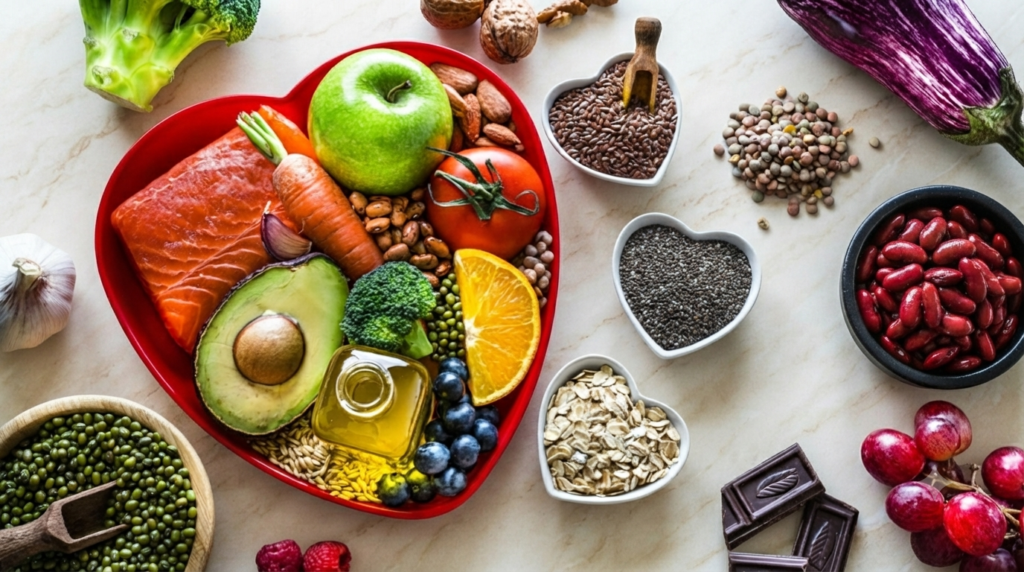
- Introduction
Adding foods with omega 3 to your daily meals is a simple way to get healthy fats. Omega-3 is important for your heart, brain, and overall health.
You can get omega-3 from foods like salmon, sardines, chia seeds, flaxseeds, walnuts, soy foods, and some fortified foods. Eating a variety of these foods can help you enjoy a healthy and balanced diet.
- What Are Omega-3 Fatty Acids?
Omega-3 fatty acids are healthy fats that your body needs for several important functions. The three main types are EPA, DHA, and ALA.
EPA and DHA are mainly found in fish and seafood, while ALA is mostly found in plant foods.
Some of the best foods with omega 3 include fatty fish, chia seeds, flaxseeds, walnuts, hemp seeds, and soy foods.
- Best Foods With Omega 3
- Fatty Fish
Fatty fish are among the best natural foods with omega 3, especially for EPA and DHA.
Good choices include:
Salmon
Sardines
Mackerel
Herring
Trout
You can enjoy baked, grilled, or steamed fish with vegetables and whole grains for a balanced meal.
- Chia Seeds
Chia seeds are a convenient plant-based source of ALA omega-3. They also provide fiber and other nutrients.
You can add chia seeds to:
Oatmeal
Yogurt
Smoothies
Chia pudding
Homemade energy bites
- Flaxseeds
Flaxseeds are another excellent plant-based source of ALA. Ground flaxseed is often easier to add to meals and can be mixed into oatmeal, smoothies, yogurt, or whole-grain foods.
Adding flaxseed is a simple way to include more foods with omega 3 in your diet.
- Walnuts
Walnuts are an easy snack and provide plant-based ALA omega-3. You can eat a small handful as a snack or add them to oatmeal, salads, yogurt, and homemade baked foods.
- Hemp Seeds
Hemp seeds contain ALA omega-3 along with protein and other nutrients. Sprinkle them over salads, oatmeal, yogurt, or smoothie bowls for an easy nutritional boost.
- Soybeans and Soy Foods
Soybeans provide ALA and can be included in a plant-based diet. Foods such as tofu, tempeh, and edamame can be used in many different meals.
For example, try tofu with vegetables or add edamame to a grain bowl or salad.
- Omega-3-Enriched Eggs
Some eggs are produced with feed that increases their omega-3 content. Check the nutrition label to see whether eggs are omega-3 enriched.
They can be used in omelets, boiled egg snacks, sandwiches, or breakfast bowls.
- How Omega-3 Supports Heart Health
Omega-3 fatty acids play an important role in normal heart function. EPA and DHA can help maintain healthy triglyceride levels, particularly when consumed in adequate amounts.
However, eating one particular food won’t automatically protect your heart. A healthy diet should include plenty of vegetables, fruits, whole grains, legumes, nuts, seeds, and appropriate protein sources.
Including different foods with omega 3 can be one part of an overall heart-friendly eating pattern.
- How Omega-3 Supports Brain Health
DHA is an important structural component of the brain and plays a role in normal brain function.
Fatty fish such as salmon and sardines provide DHA directly, while plant foods such as chia seeds, flaxseeds, and walnuts provide ALA.
Because the body’s conversion of ALA to EPA and DHA is limited, eating a variety of foods with omega 3 can help you get different types of omega-3 fats.
- Plant-Based Foods With Omega 3 vs. Fish
There is an important difference between plant and marine sources of omega-3.
Fish and seafood mainly provide EPA and DHA.
Plant foods such as chia seeds, flaxseeds, and walnuts mainly provide ALA.
Both can be part of a healthy diet. If you don’t eat fish, you can still get ALA from several plant-based foods with omega 3.
- How to Add More Omega-3 to Your Diet
You don’t need to completely change your diet to eat more omega-3-rich foods.
Try these simple ideas:
Add chia seeds to yogurt or oatmeal.
Sprinkle ground flaxseed over breakfast foods.
Eat walnuts as a snack.
Add salmon to lunch or dinner.
Use tofu or edamame in vegetable dishes.
Add hemp seeds to smoothies.
Choose omega-3-enriched foods when appropriate.
Small changes can make it easier to include more foods with omega 3 in your regular meals.
- How Much Omega-3 Do You Need?
There isn’t one recommended amount of total omega-3 that applies equally to everyone. Needs can vary depending on age, sex, life stage, and other factors.
For ALA, dietary reference recommendations are available, while specific EPA and DHA needs depend on individual circumstances.
Rather than focusing only on a number, aim to include a variety of nutritious foods with omega 3 as part of your overall diet.
If you’re considering high-dose omega-3 supplements, especially if you take medicines or have a health condition, speak with a healthcare professional first.
- Omega-3 Supplements vs. Food Sources
Many people can get omega-3 from food without taking supplements.
Whole foods can provide omega-3 along with other nutrients. For example, salmon provides protein and several vitamins and minerals, while chia seeds provide omega-3 along with fiber.
Fish oil and algae oil supplements are also available. Algae oil can be a source of DHA and sometimes EPA for people who don’t eat fish.
Supplements aren’t automatically better than foods with omega 3, and high doses aren’t appropriate for everyone.
- Common Questions About Foods With Omega 3
Which food has the most omega-3?
Fatty fish such as salmon, sardines, mackerel, and herring are among the richest natural food sources of EPA and DHA.
What are the best vegetarian foods with omega 3?
Chia seeds, ground flaxseeds, walnuts, hemp seeds, and some soy foods are useful plant-based sources of ALA.
Are chia seeds a good source of omega-3?
Yes. Chia seeds provide ALA, a plant-based form of omega-3 fatty acid.
Are walnuts rich in omega-3?
Walnuts provide ALA and can be an easy addition to a balanced diet.
Is fish better than plant-based omega-3?
Fish provides EPA and DHA directly, while most plant sources provide ALA. Your body can convert some ALA into EPA and DHA, but the conversion is limited.
Can you get enough omega-3 from food?
Many people can get adequate ALA through a varied diet. Whether someone needs additional EPA or DHA depends on their diet, life stage, and individual circumstances.
- Simple Omega-3 Meal Ideas
Here are some easy ways to include foods with omega 3 in your meals:
Breakfast: Oatmeal + ground flaxseed + walnuts + berries
Snack: Greek yogurt + chia seeds + fruit
Lunch: Sardines + whole-grain toast + salad
Dinner: Baked salmon + vegetables + brown rice
Vegetarian meal: Tofu + edamame + mixed vegetables + whole grains
Smoothie: Milk or soy milk + berries + chia seeds + yogurt
- Conclusion
There are many easy foods with omega 3 that you can add to your daily meals. Fish like salmon and sardines provide EPA and DHA, while chia seeds, flaxseeds, walnuts, hemp seeds, and soy foods provide plant-based omega-3.
Try to eat different omega-3-rich foods during the week instead of relying on just one. Also, remember that a healthy heart and brain depend on your overall diet, regular activity, good sleep, and healthy lifestyle.
l