
- Introduction
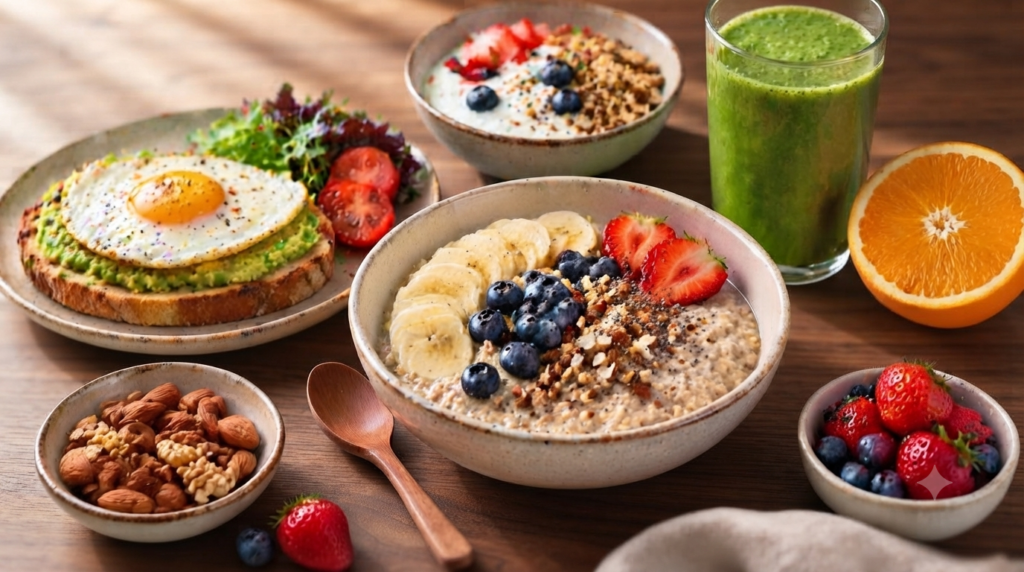
Starting your day with a high protein breakfast can help you feel full and satisfied. Protein is important for your muscles and overall health. A healthy breakfast can also give you fiber, vitamins, minerals, healthy fats, and carbohydrates.
Foods like eggs, Greek yogurt, cottage cheese, tofu, beans, milk, nuts, and seeds are good sources of protein. You can combine them with fruits, vegetables, or whole grains to make your breakfast more balanced.
If you often feel hungry soon after breakfast, try adding more protein and fiber to your morning meal. It may help you stay full for longer.
- What Is a High Protein Breakfast?
A high protein breakfast is a morning meal that provides a substantial amount of protein compared with a typical breakfast.
Instead of having a breakfast based mainly on refined carbohydrates or sugary foods, you can include protein-rich foods such as:
Eggs
Greek yogurt
Cottage cheese
Milk or soy milk
Tofu
Beans and lentils
Nuts and seeds
Peanut butter
There is no single protein amount that defines a “high protein breakfast” for everyone. Protein needs vary depending on factors such as age, body size, activity level, and overall diet. - Best High Protein Breakfast Foods
- Eggs
Eggs are one of the easiest foods to include in a high protein breakfast. They are versatile and can be prepared as scrambled eggs, boiled eggs, omelets, or egg sandwiches.
For a more balanced breakfast, pair eggs with vegetables and whole-grain toast. Adding spinach, tomatoes, mushrooms, or peppers can increase the meal’s fiber and micronutrient content.
Breakfast idea:
2 eggs + vegetable omelet + whole-grain toast + fruit. - Greek Yogurt
Greek yogurt is a convenient protein-rich breakfast food. It can be eaten on its own or combined with other nutritious ingredients.
For a filling high protein breakfast, try adding berries, chia seeds, nuts, or oats. Choose plain or lower-added-sugar varieties when possible.
Breakfast idea:
Greek yogurt + berries + chia seeds + walnuts. - Cottage Cheese
Cottage cheese provides protein and can work in both sweet and savory breakfasts.
For a sweet option, combine cottage cheese with berries and nuts. For a savory meal, serve it with tomatoes, cucumber, herbs, and whole-grain toast.
Breakfast idea:
Cottage cheese + berries + almonds. - Oatmeal With Nuts and Seeds
Oatmeal by itself contains some protein, but you can make it a stronger high protein breakfast by adding protein-rich ingredients.
Try mixing in Greek yogurt, peanut butter, chia seeds, flaxseed, milk, or nuts. Oats also provide fiber, which can contribute to a satisfying meal.
Breakfast idea:
Oatmeal + milk + peanut butter + chia seeds + banana. - Protein Smoothies
A smoothie can be a convenient option when you have little time in the morning.
For a high protein breakfast smoothie, use milk or soy milk, Greek yogurt, and ingredients such as berries, banana, nut butter, or seeds.
Avoid turning smoothies into sugary drinks by limiting added sugar and choosing whole fruits.
Breakfast idea:
Milk + Greek yogurt + berries + banana + peanut butter. - Chia Seeds
Chia seeds contain protein, fiber, and healthy fats. They can easily be added to yogurt, oatmeal, smoothies, or made into chia pudding.
Although chia seeds alone are not an extremely high-protein food, combining them with Greek yogurt or milk can create a more protein-rich high protein breakfast.
Breakfast idea:
Chia pudding + milk + Greek yogurt + berries. - Peanut Butter
Peanut butter can add protein and healthy fats to breakfast. Spread it on whole-grain toast, mix it into oatmeal, or add it to a smoothie.
Because peanut butter is calorie-dense, portion size matters if you’re watching your overall calorie intake.
Breakfast idea:
Whole-grain toast + peanut butter + banana + a glass of milk. - Tofu
Tofu is an excellent plant-based protein option and can be particularly useful for vegetarian or vegan breakfasts.
You can make a tofu scramble with vegetables such as spinach, tomatoes, onions, and peppers.
Breakfast idea:
Tofu scramble + vegetables + whole-grain toast. - Beans and Lentils
Beans and lentils provide plant-based protein and fiber. They can be used to create savory breakfast bowls, wraps, or toast toppings.
Combining legumes with whole grains and vegetables can make a nutritious and satisfying high protein breakfast.
Breakfast idea:
Lentil or bean bowl + vegetables + whole-grain toast. - Milk or Soy Milk
Milk and fortified soy milk can provide protein and are easy to add to breakfast.
Use them in oatmeal, smoothies, chia pudding, or alongside a balanced breakfast.
Breakfast idea:
Oatmeal prepared with milk + nuts + berries. - How Protein Helps With Energy and Fullness
Protein is an important nutrient for maintaining and repairing body tissues, including muscles. Including protein in breakfast can also contribute to a feeling of fullness.
However, protein isn’t the only factor that makes a breakfast satisfying. Fiber-rich carbohydrates and healthy fats are also important components of a balanced meal.
For example:
Eggs + vegetables + whole-grain toast + avocado
provides a combination of protein, fiber, carbohydrates, and healthy fats.
This type of balanced high protein breakfast can be more satisfying than a breakfast consisting mainly of refined carbohydrates. - High Protein Breakfast Ideas for Different Goals
For Weight Management
Choose protein-rich foods combined with vegetables, fruits, and whole grains. Avoid relying heavily on sugary cereals, pastries, or heavily sweetened breakfast drinks.
For Muscle Building
A high protein breakfast can be part of an overall diet that provides enough protein and calories to support muscle growth, especially when combined with resistance training.
For Vegetarians
Good choices include:
Eggs
Greek yogurt
Cottage cheese
Tofu
Beans
Lentils
Milk
Soy milk
Nuts and seeds
For Busy Mornings
Prepare overnight oats, boiled eggs, Greek yogurt bowls, chia pudding, or smoothies in advance.
For a Budget-Friendly Breakfast
Eggs, oats, milk, beans, lentils, and peanut butter can provide relatively affordable sources of protein. - How to Build a Balanced High Protein Breakfast
A simple way to create a nutritious high protein breakfast is to combine four components: - Protein: Eggs, Greek yogurt, tofu, beans, cottage cheese
- Fiber-rich carbohydrate: Oats, whole-grain bread, fruit
- Vegetables or fruit: Berries, banana, spinach, tomatoes
- Healthy fat: Nuts, seeds, avocado, peanut butter
Example
Greek yogurt + oats + berries + chia seeds
This combination provides protein along with carbohydrates, fiber, and healthy fats. - Common High Protein Breakfast Mistakes
Eating Too Much Added Sugar
Some flavored yogurts, cereals, and protein products can contain significant amounts of added sugar. Check nutrition labels when choosing packaged foods.
Forgetting Fiber
A breakfast doesn’t need to be protein-only. Include fruits, vegetables, oats, whole grains, beans, or seeds for additional fiber.
Depending Only on Protein Supplements
Protein powders can be convenient, but whole foods can also provide protein along with other nutrients.
Eating Very Large Portions
Even nutritious foods contribute calories. Choose portions that fit your individual energy needs.
Not Eating a Balanced Meal
A good high protein breakfast should not necessarily eliminate carbohydrates or fats. A variety of nutritious foods can make breakfast more balanced. - 7 Quick High Protein Breakfast Combinations
- Egg Breakfast
Eggs + whole-grain toast + vegetables + fruit - Yogurt Bowl
Greek yogurt + berries + chia seeds + walnuts - Peanut Butter Oatmeal
Oats + milk + peanut butter + banana - Cottage Cheese Bowl
Cottage cheese + berries + almonds - Tofu Breakfast
Tofu scramble + spinach + tomatoes + whole-grain toast - Protein Smoothie
Milk or soy milk + Greek yogurt + berries + banana - Chia Pudding
Chia seeds + milk + Greek yogurt + berries
These combinations make it easier to include a variety of nutritious foods in your morning routine. - Frequently Asked Questions
What is the best high protein breakfast?
There isn’t one best option for everyone. Eggs, Greek yogurt, cottage cheese, tofu, beans, and oatmeal with protein-rich toppings are all good choices.
How much protein should breakfast contain?
Protein needs vary from person to person. Your daily protein requirement depends on factors such as body size, age, activity level, and health goals.
Is a high protein breakfast good for weight loss?
A high protein breakfast can be part of a weight-management diet because protein can help with fullness. However, overall calorie intake, food quality, physical activity, sleep, and other factors also matter.
What are the best vegetarian high protein breakfast foods?
Eggs and dairy products are useful vegetarian options. Plant-based choices include tofu, beans, lentils, soy milk, nuts, and seeds.
Can I have a high protein breakfast without eggs?
Yes. Try Greek yogurt, cottage cheese, tofu, beans, lentils, soy milk, nuts, seeds, or oatmeal combined with protein-rich ingredients.
Which breakfast keeps you full the longest?
Meals containing a combination of protein, fiber, and healthy fats may be more satisfying than meals based primarily on refined carbohydrates. - Conclusion
A high-protein breakfast doesn’t have to be difficult or expensive. Simple foods like eggs, Greek yogurt, cottage cheese, tofu, beans, lentils, oats, nuts, and seeds can make a healthy and filling breakfast.
For a balanced meal, add some fruits or vegetables, whole grains, and healthy fats. The best breakfast depends on what you like, your daily needs, and your health goals.